
Darwin Northern Territory
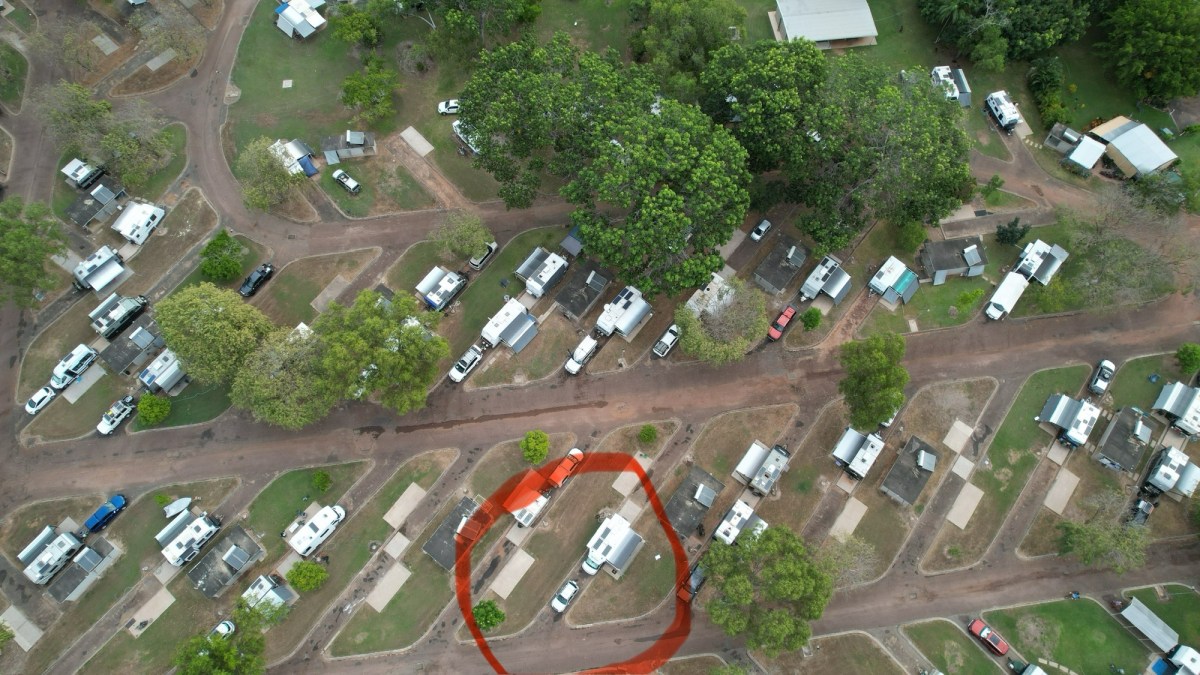
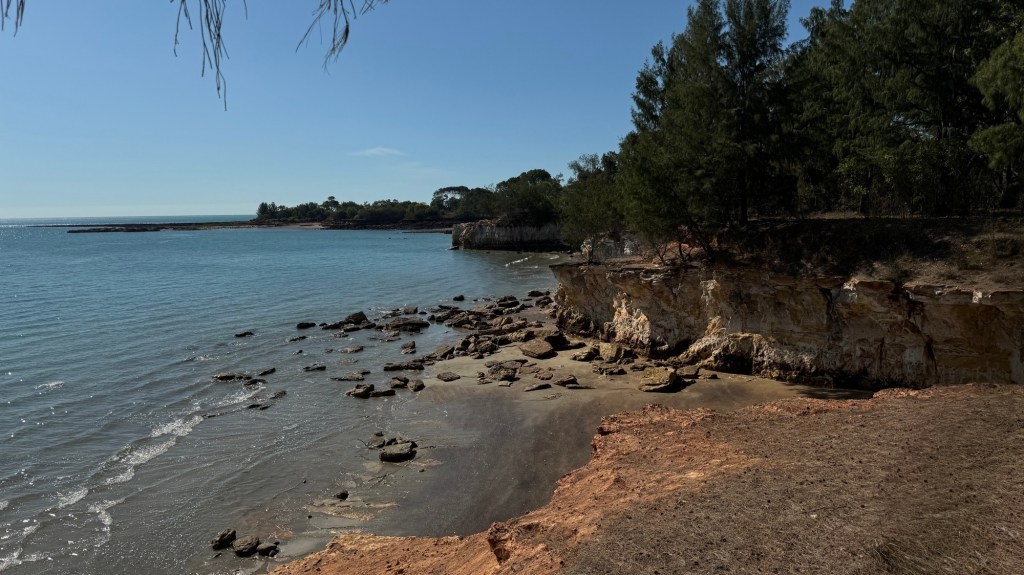
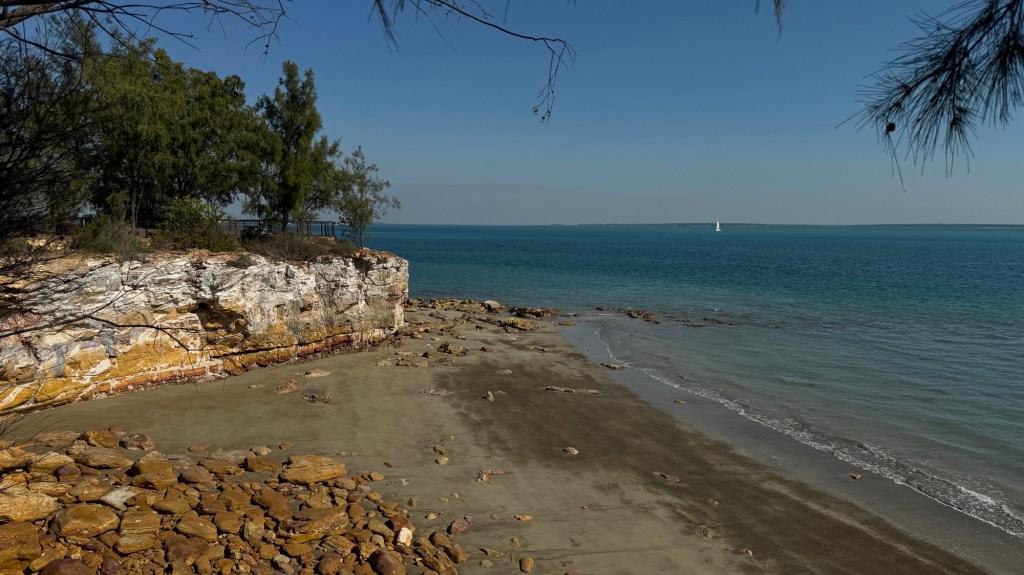
We’ve decided to separate in Darwin for a rest and to do all the touristy things in our own time. There is much to see and Lyn and I saw most of it last year and just have a few spots to add to tick off our list. We enquired about going over to Tiwi Islands and having a day of island culture and entertainment but at $490 per person, we shied away from that idea. Lee Point is a campground to the north of the city about 15-20 minutes drive. We have learned that the campground was constructed after cyclone Tracy. The builders and trades workmen lived here for two years while the massive rebuild took place.
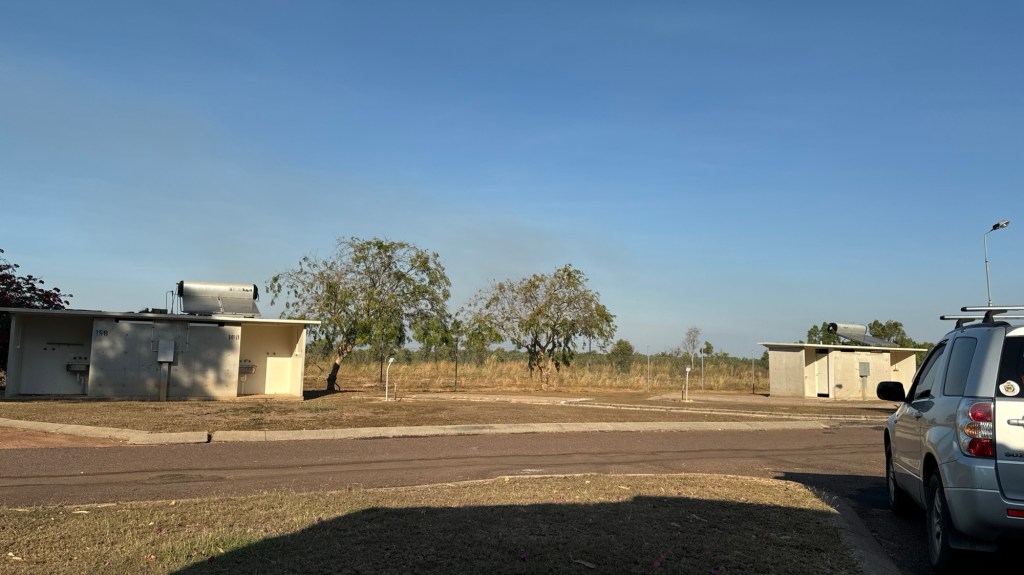
Each site has an en suite for the ‘tenants’.
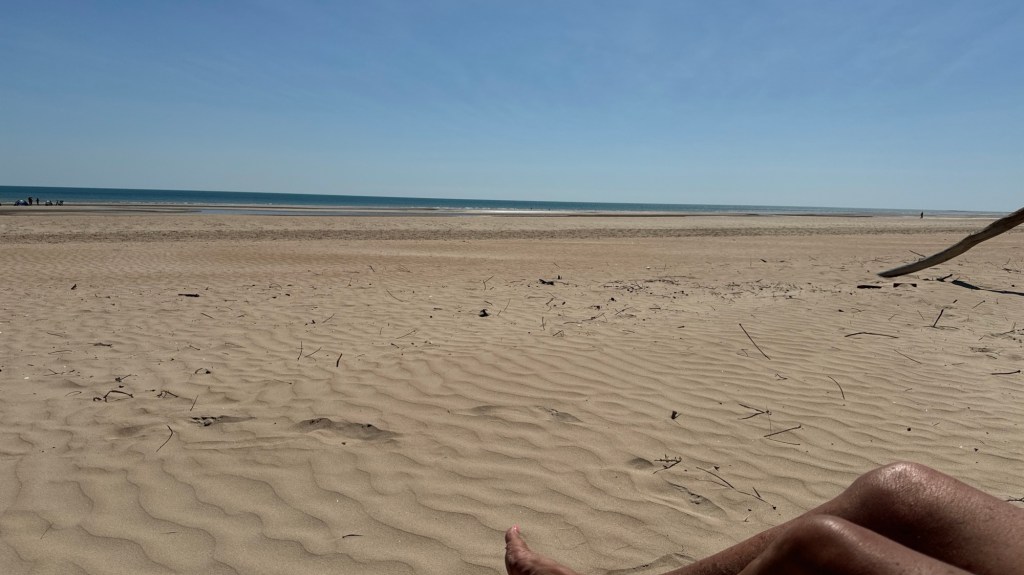
We benefit from a sea breeze for much of the day and evening. The breeze takes away that clammy, humidity feeling. Because one in our group is waiting for a medical procedure to be done at Darwin Hospital, we will be staying here for who knows how long.
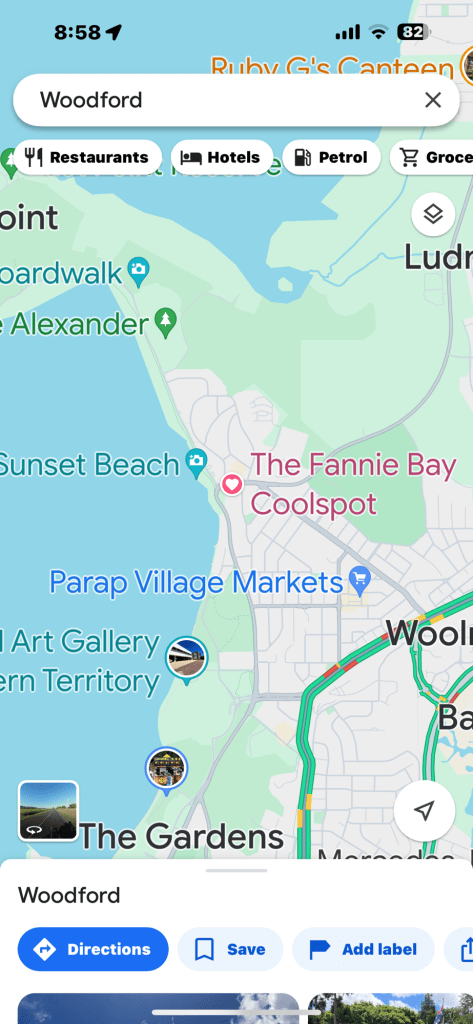
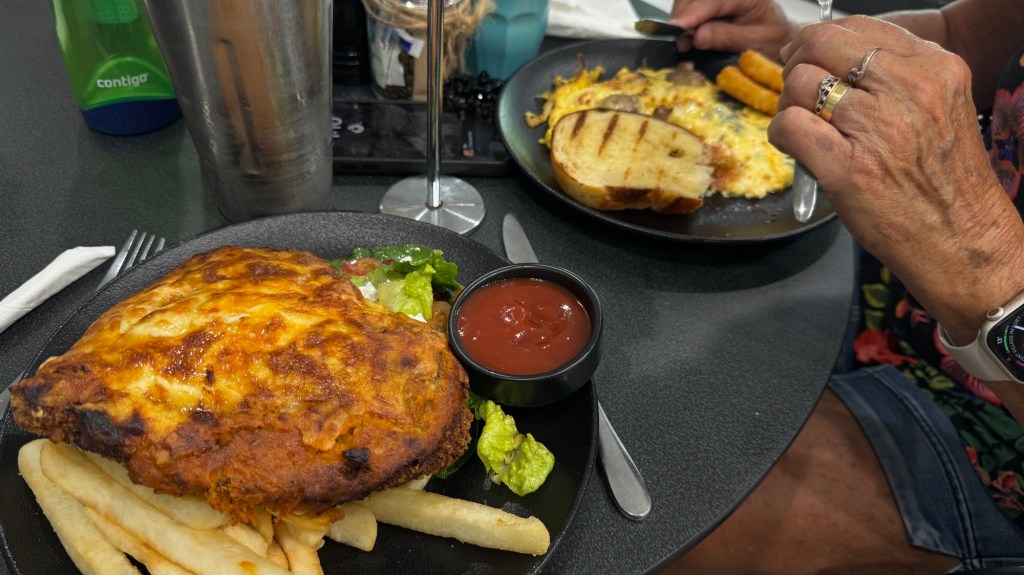
Last year we chose a favorite restaurant; the Cool Spot at Fannie Bay. The reason? Fabulous rocky road ice cream. I guess you agree we have made an excellent choice. When in Darwin, don’t leave without trying one; you’ll be surprised. (I’m not getting paid to make this promotion)




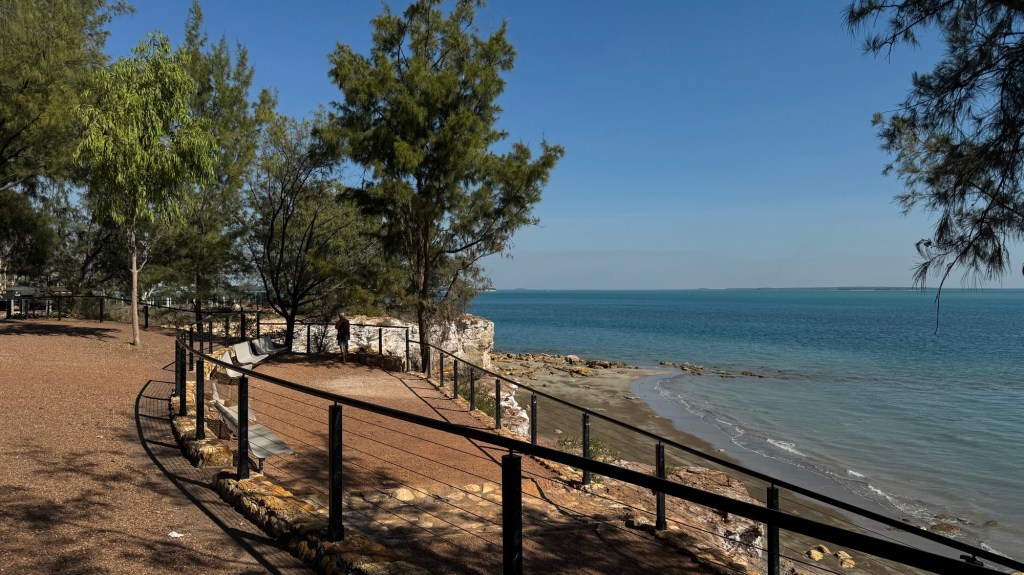
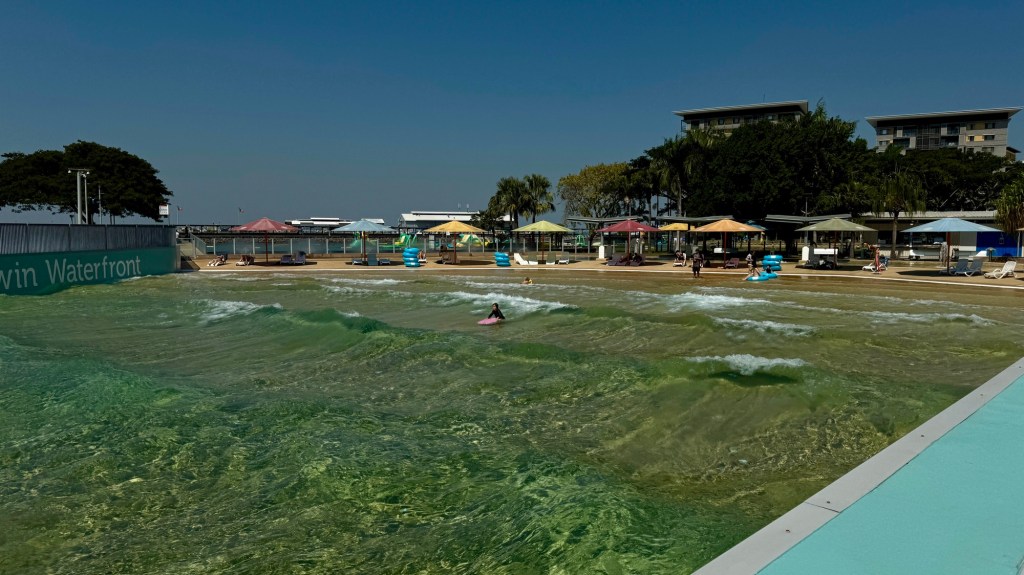
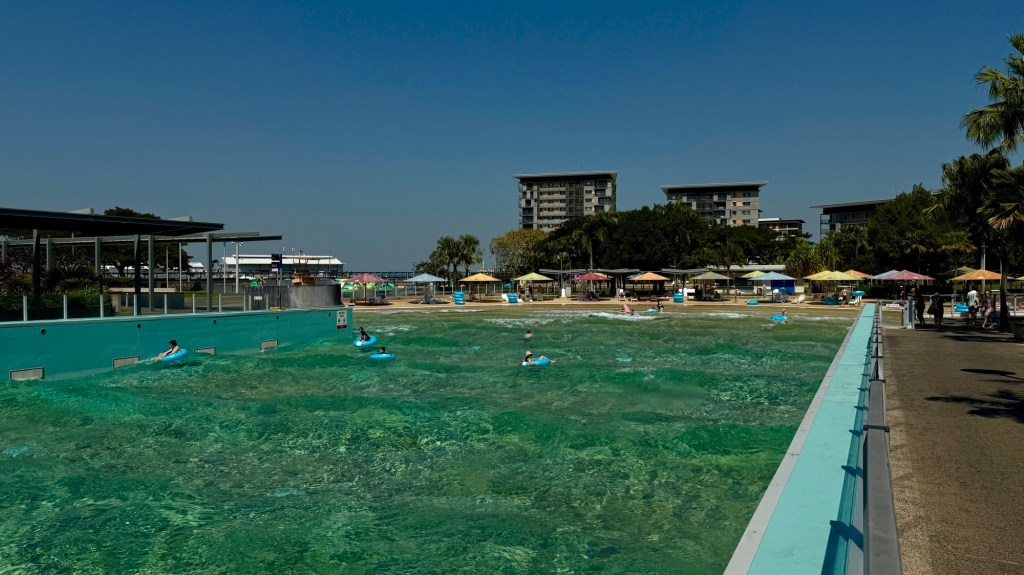
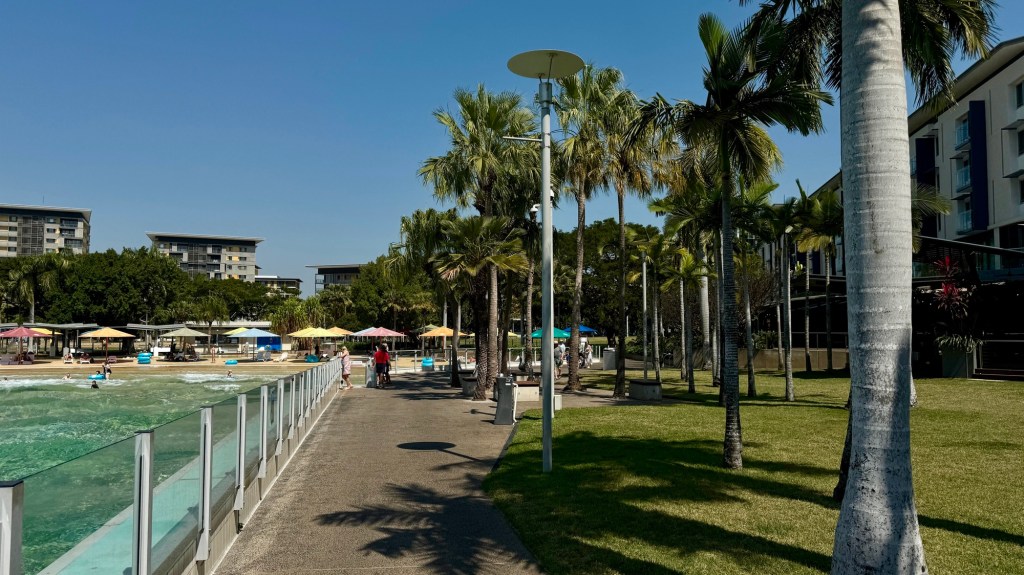
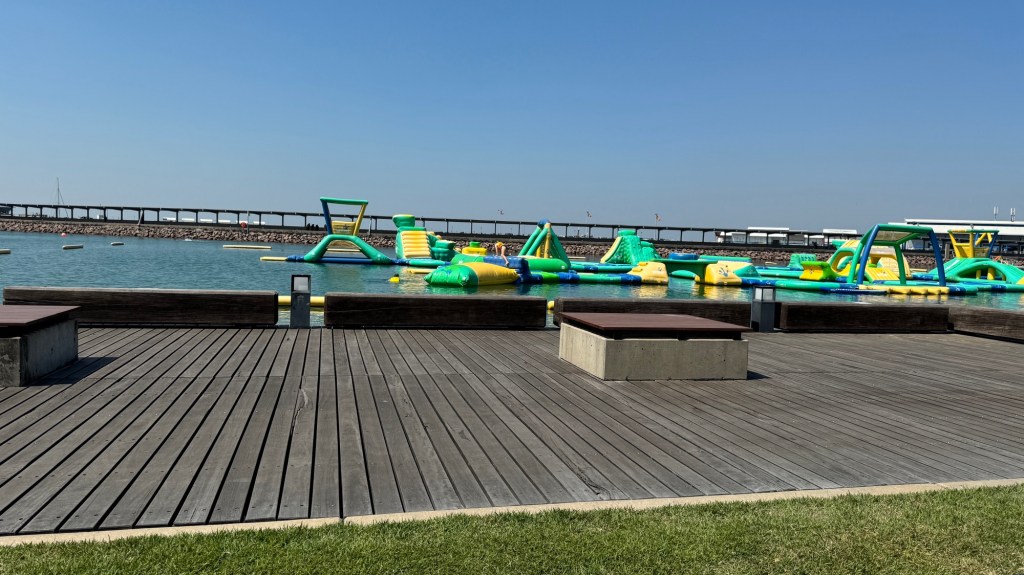
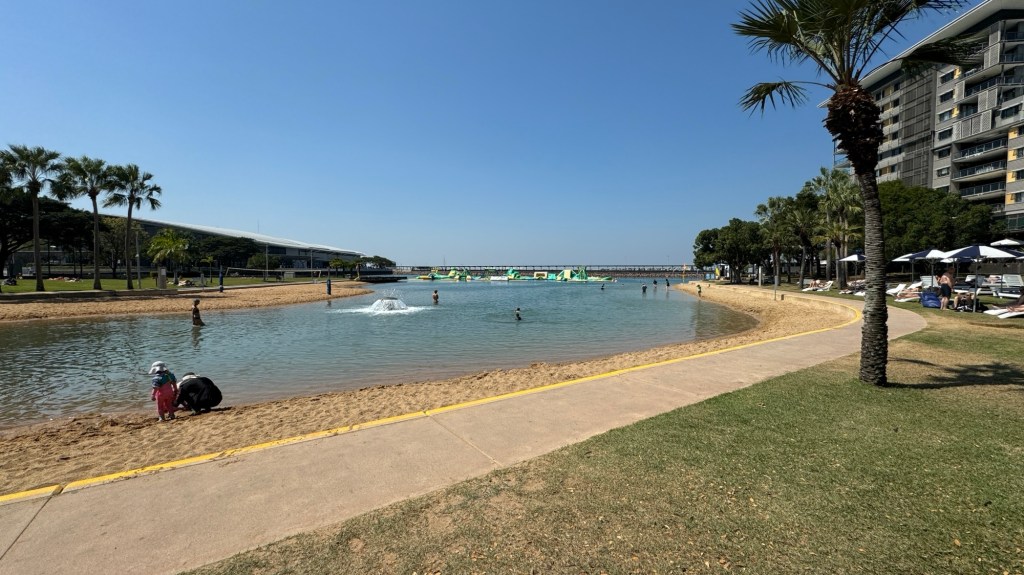
While in Darwin last year, we had heard about the Darwin Waterfront and thought it was just the jetty where the Royal Flying Doctor Museum, and the bombing of Darwin exhibition is. One day this week, we ventured further and discovered a beach and water playground. Around the perimeter were many eating places, too many to choose from really. I guess the late evenings have seen numerous rowdy parties there. Above the restaurants are holiday accommodation units and motels.


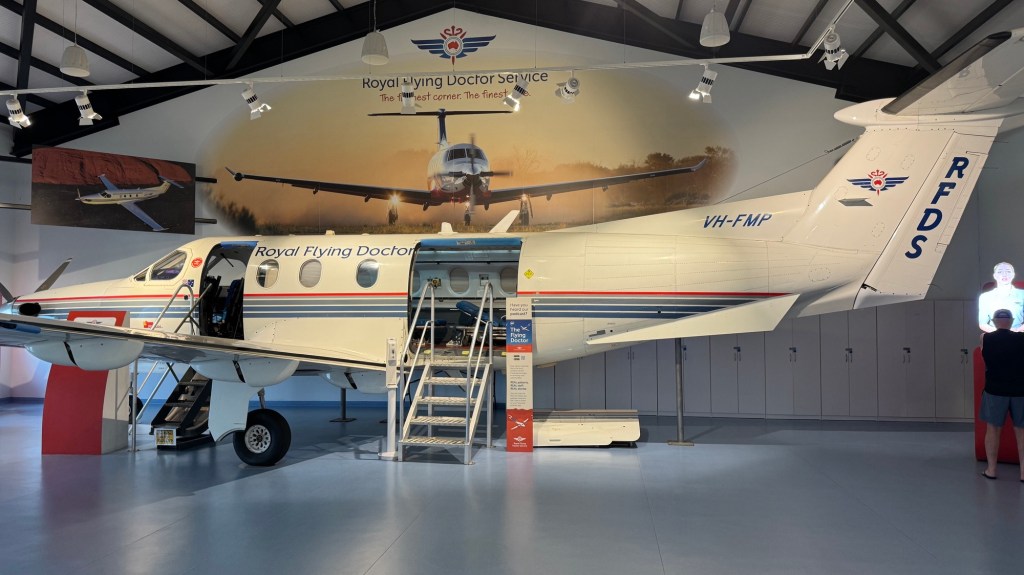
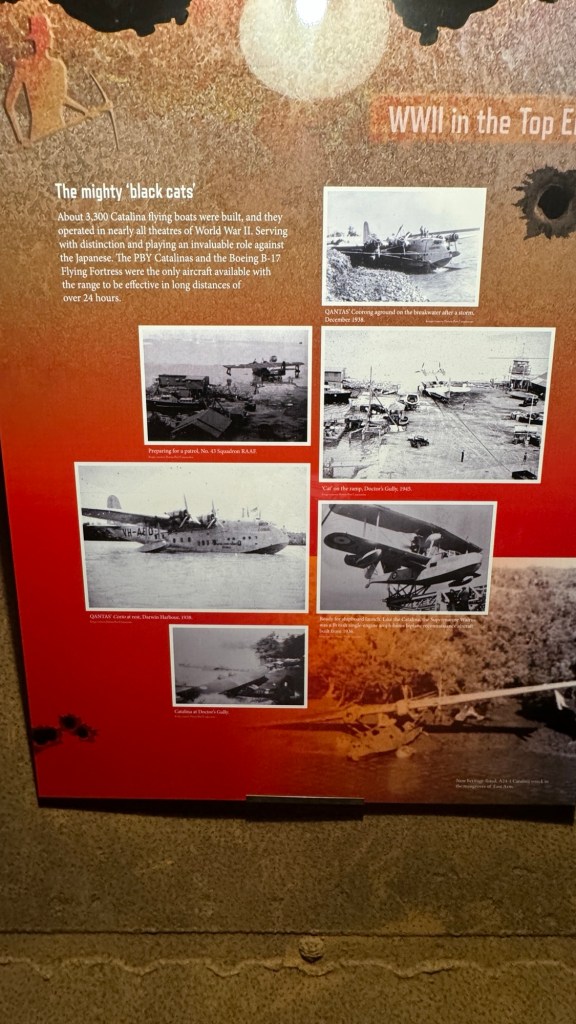
Royal Air Flying Doctor Museum and Darwin Bombing memorial display
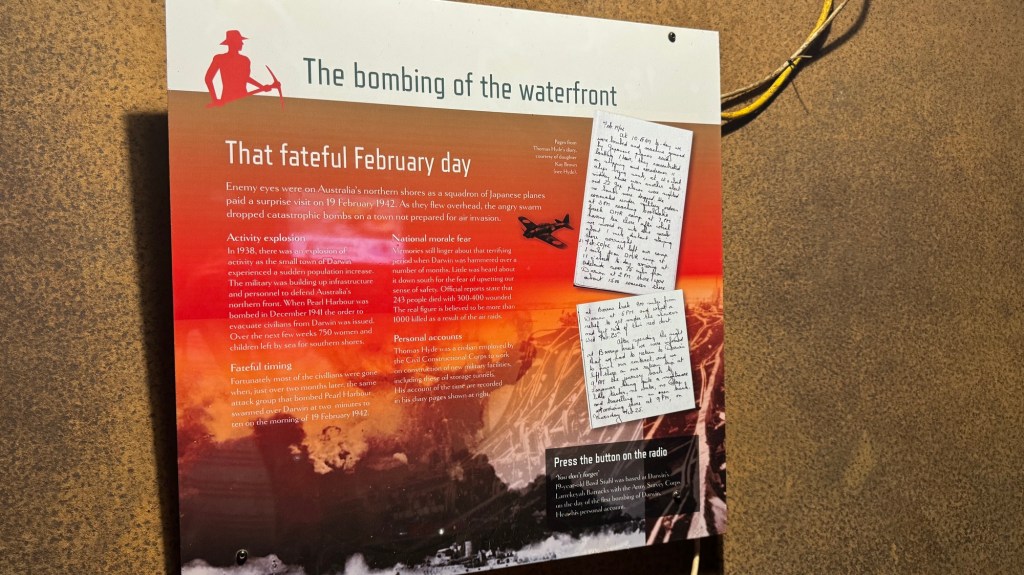
Lyn and I had visited this spot last year but it still impresses us to experience again. The bombing in 1942 was catastrophic as was the cyclone in 1974. The good work the Flying Doctor does, is worth another look and donation.


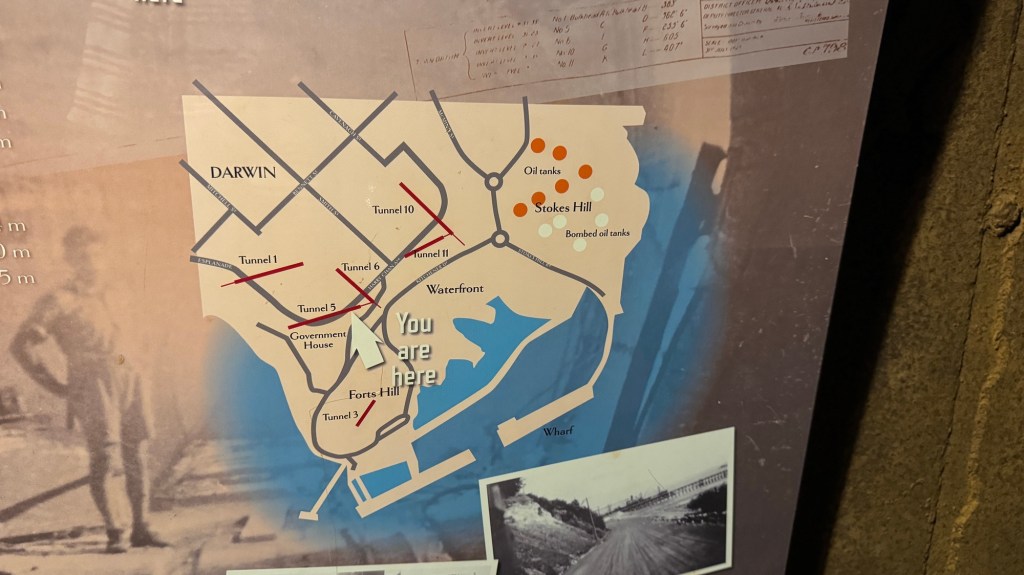
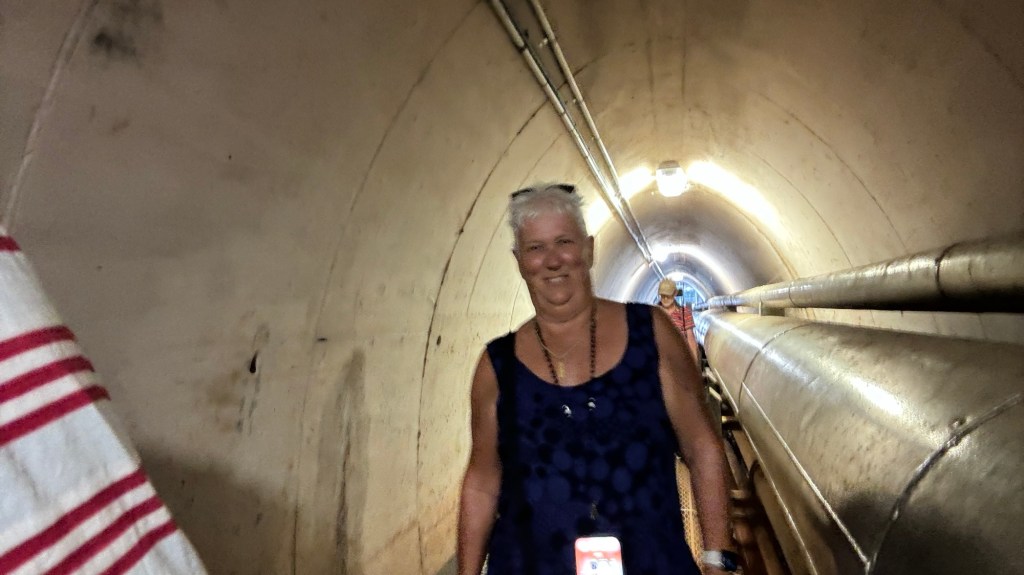
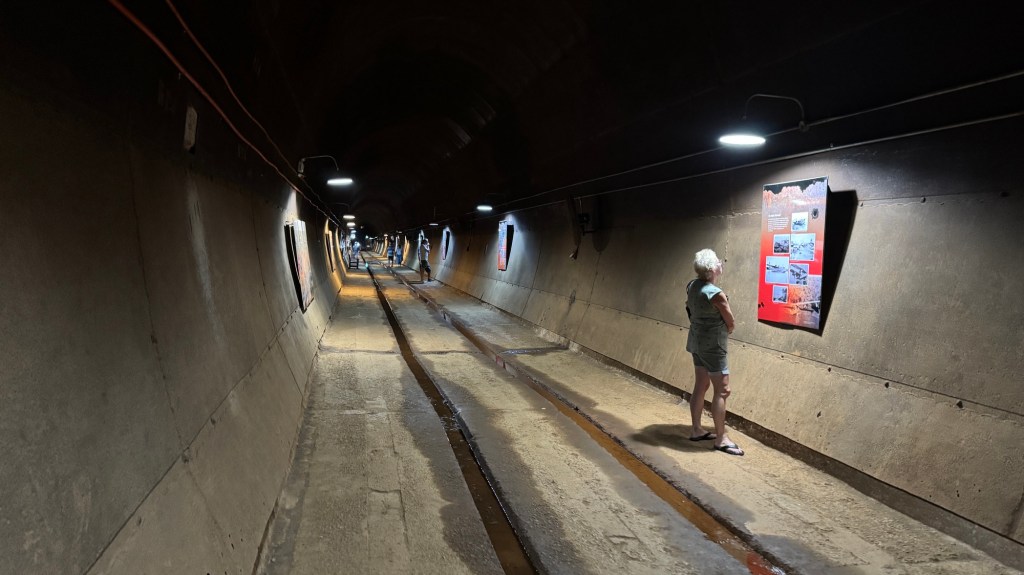
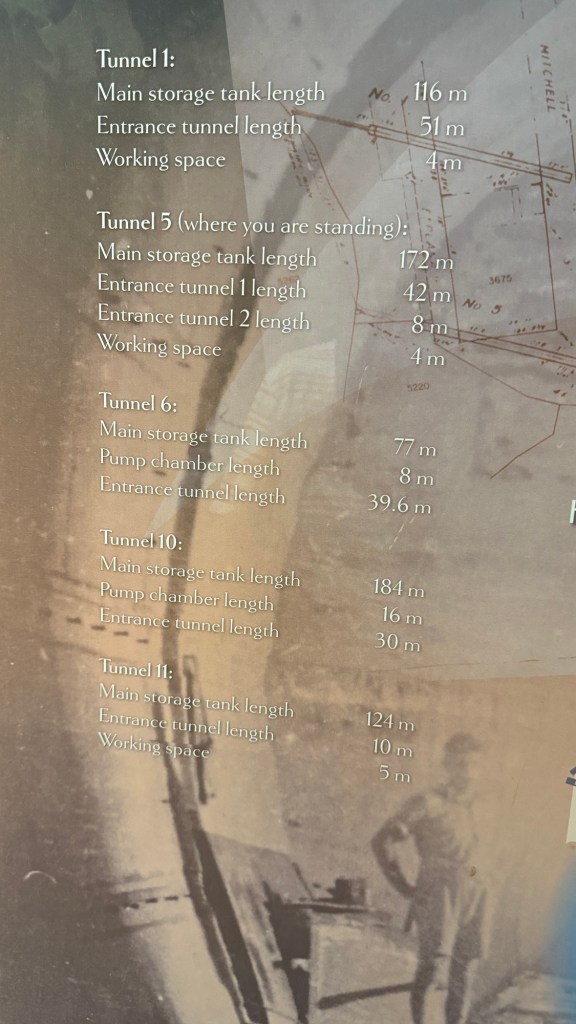
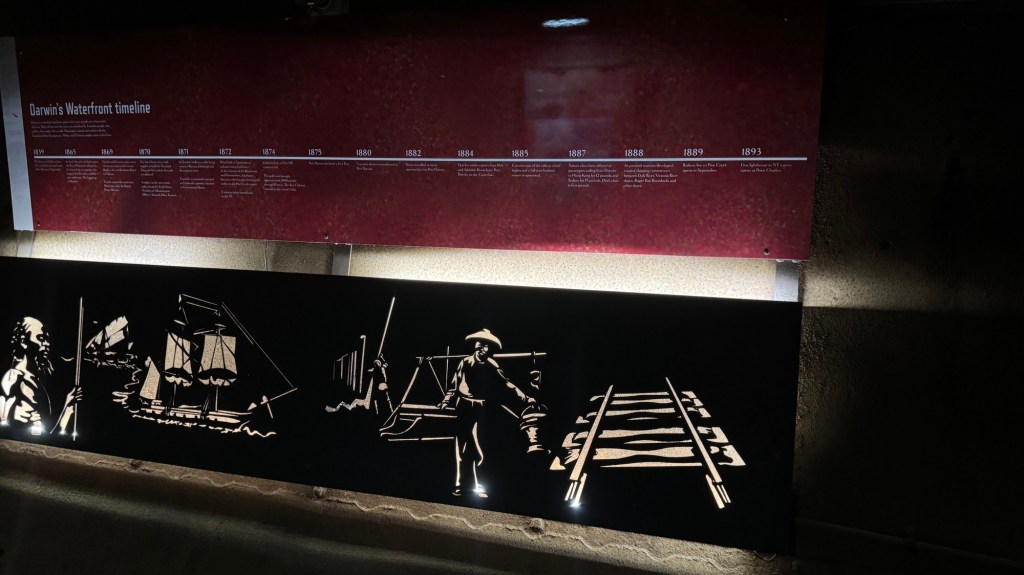
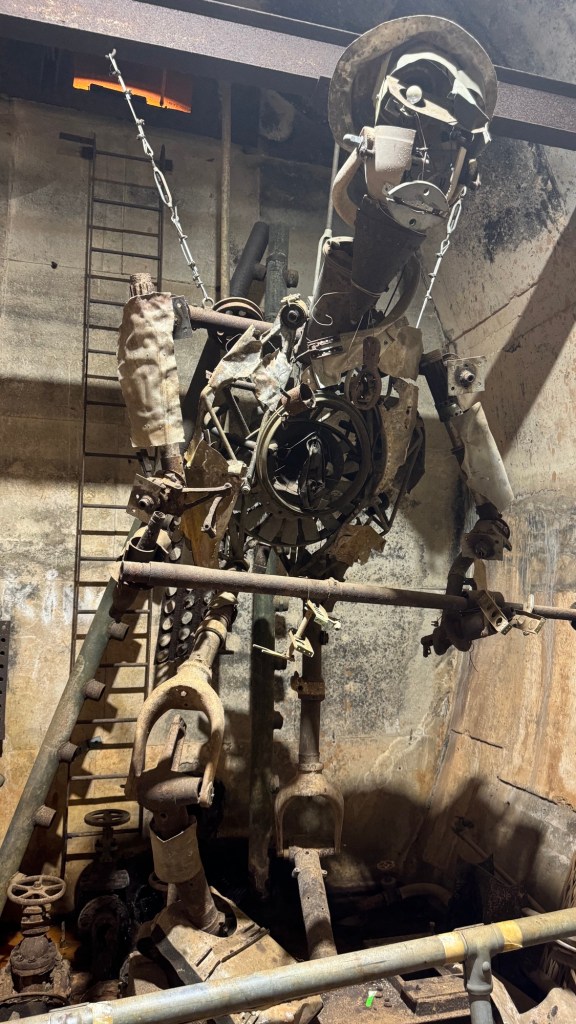
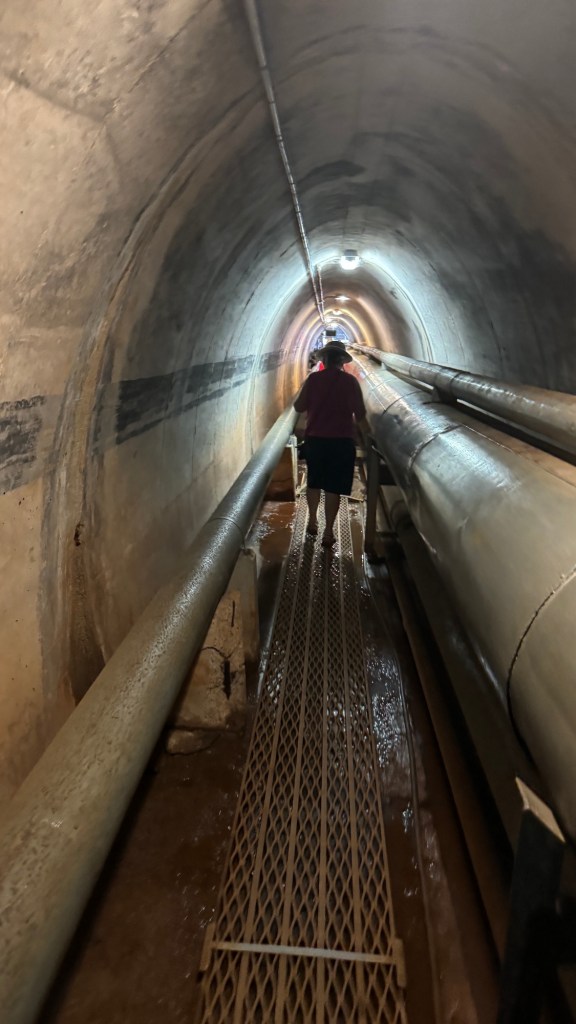
There are a bunch of underground tunnels just under the city itself. You gain entry through a small opening near the Darwin waterfront buildings. These tunnels were built to house oil and other fuels as a storage facility instead of the large above ground tanks we see at oil refineries today. The walls of the tunnel we toured, tell of the history of the building and problems associated with having such a large storage facility that if penetrated during war, would destroy the port of Darwin. I’m not a person who always remember facts and figures associated with museums and exhibits, so I suggest you make the time to visit the tunnels when next in Darwin. Ex servicemen are treated with a discount on entry.
Hopefully, the next post will have more exciting locations to review, but we’ll wait and see.
 great life - retired got nothing on