
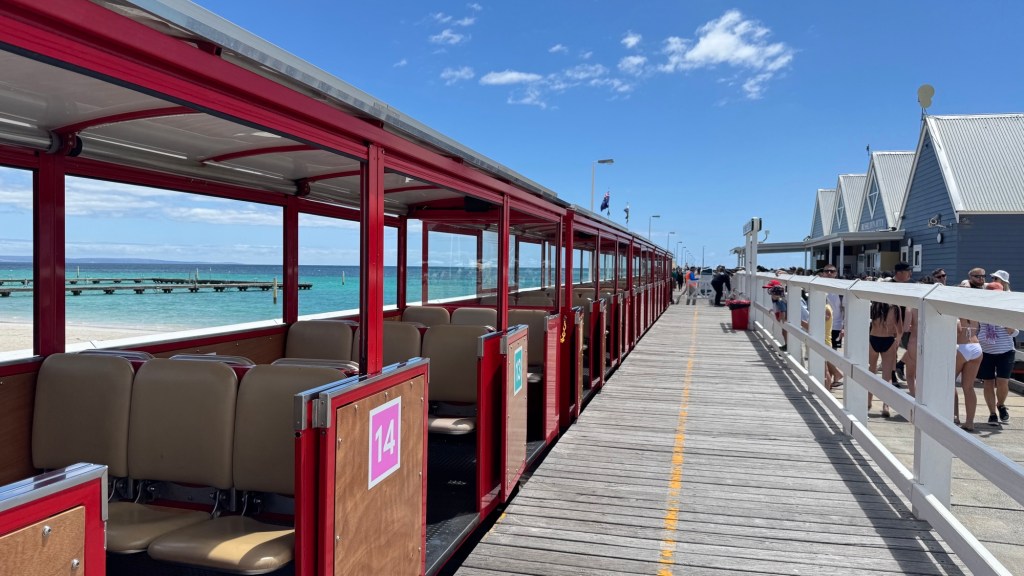
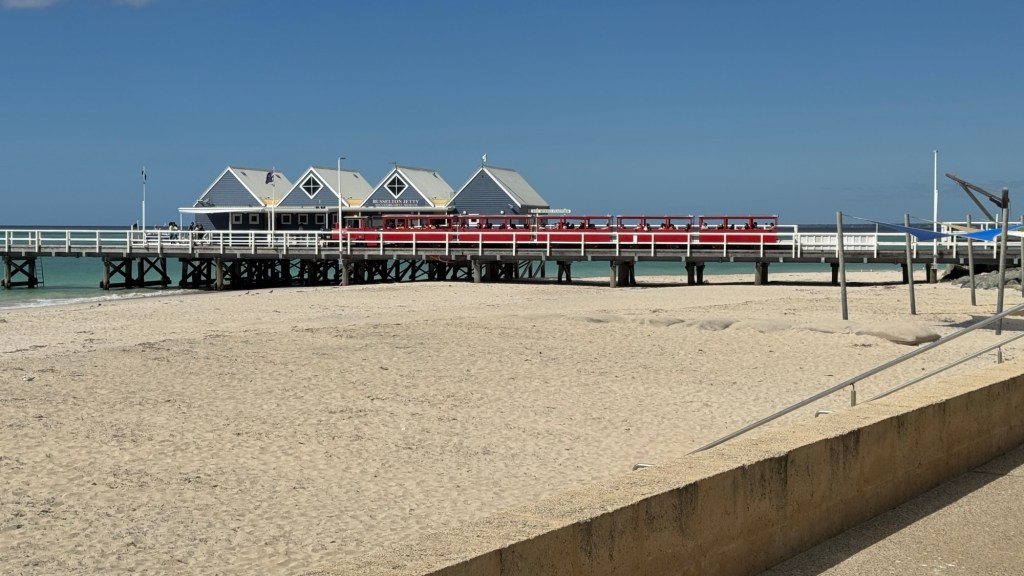
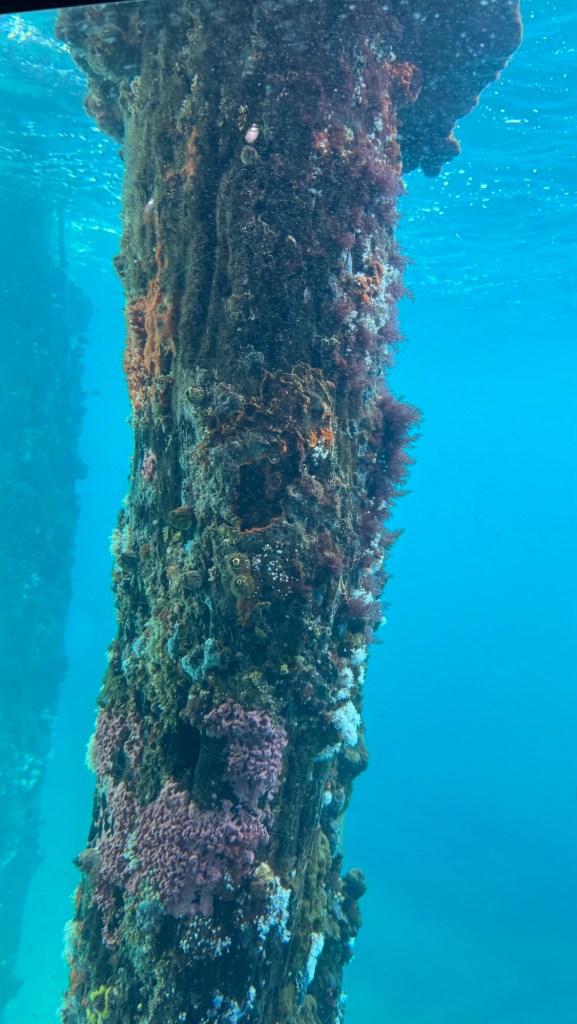
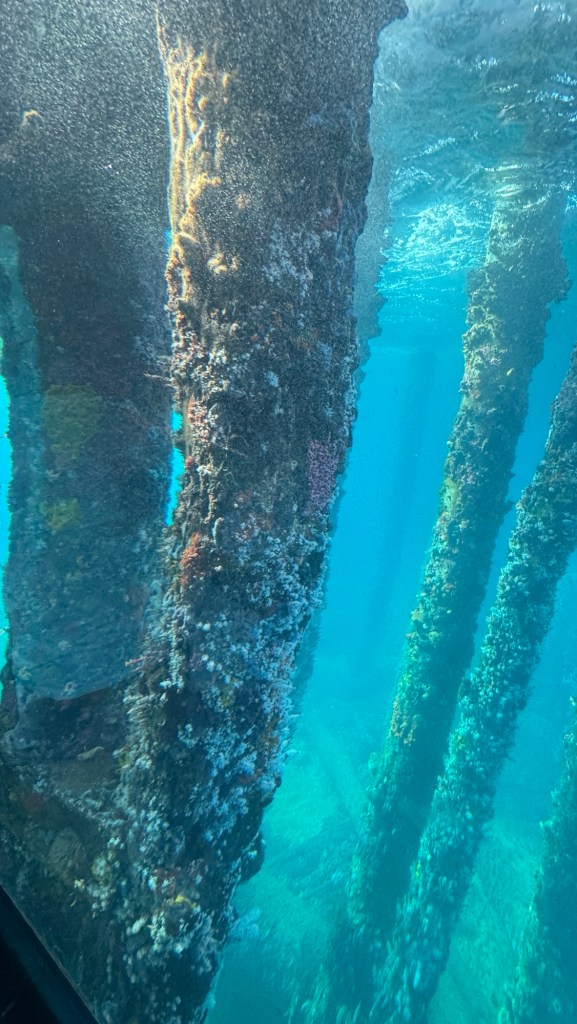
Little train on the Busselton jetty and underwater observatory.
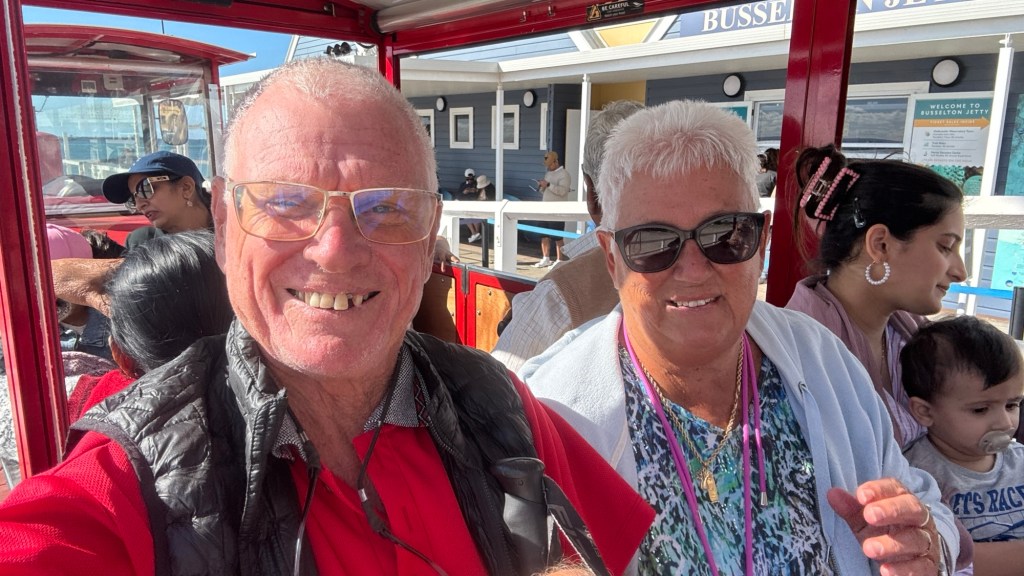
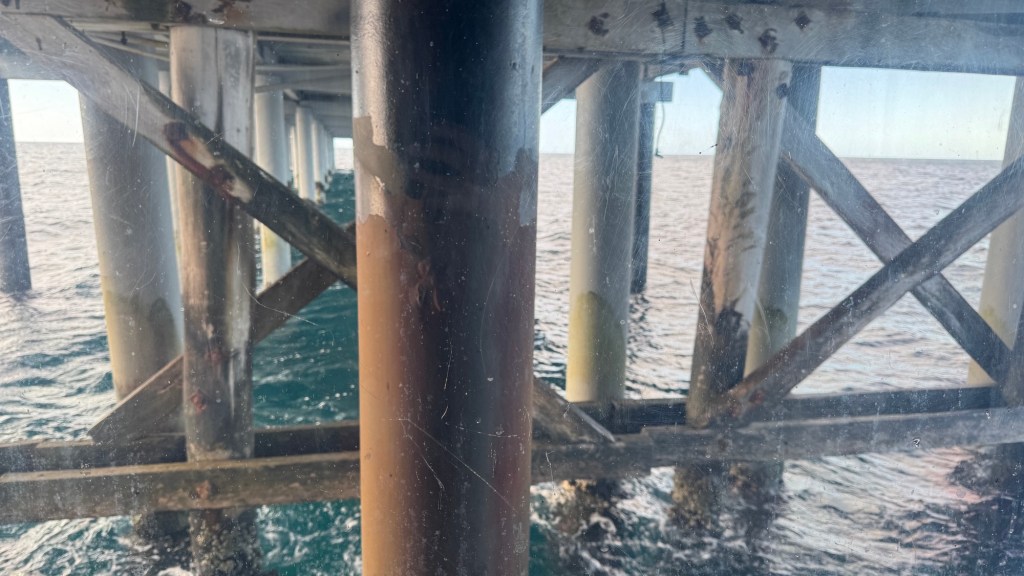
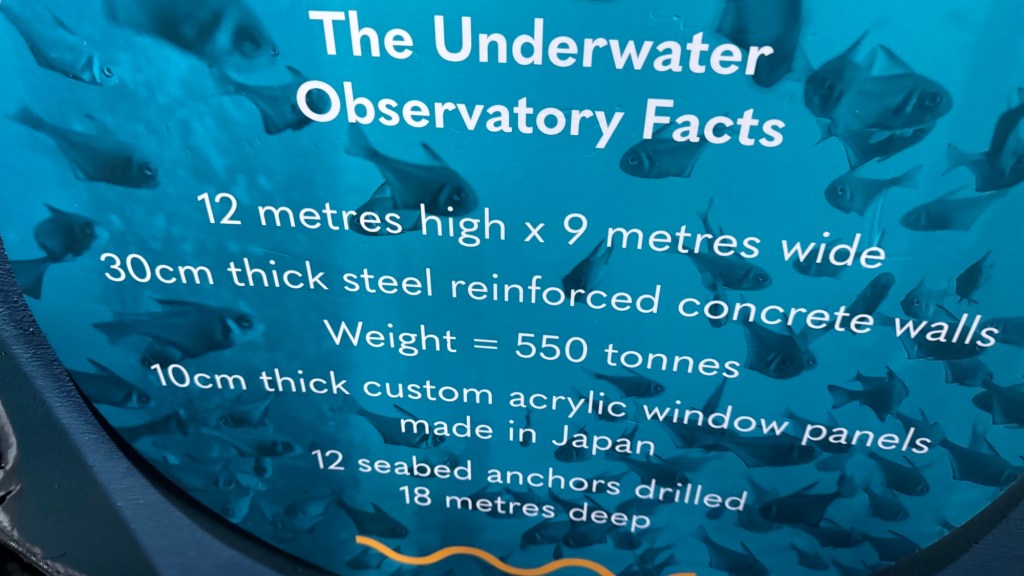
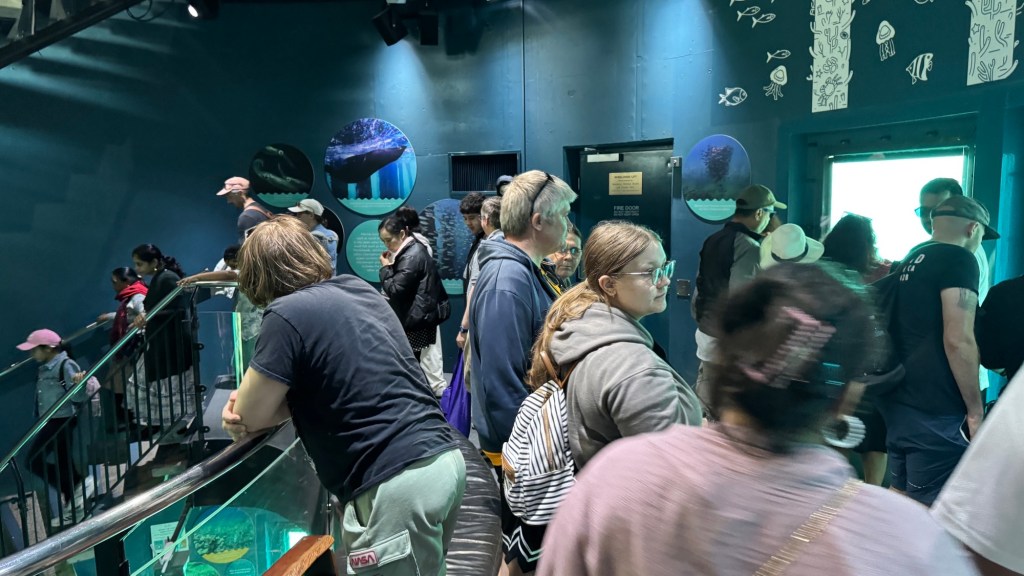
This little train is always full of people not wanting to walk the 2 km to the underwater observatory. At 1,841 metres (6,040 ft), the jetty is said to be the longest wooden structure in the Southern Hemisphere. Of course, at each end of the pier is a souvenir shop.
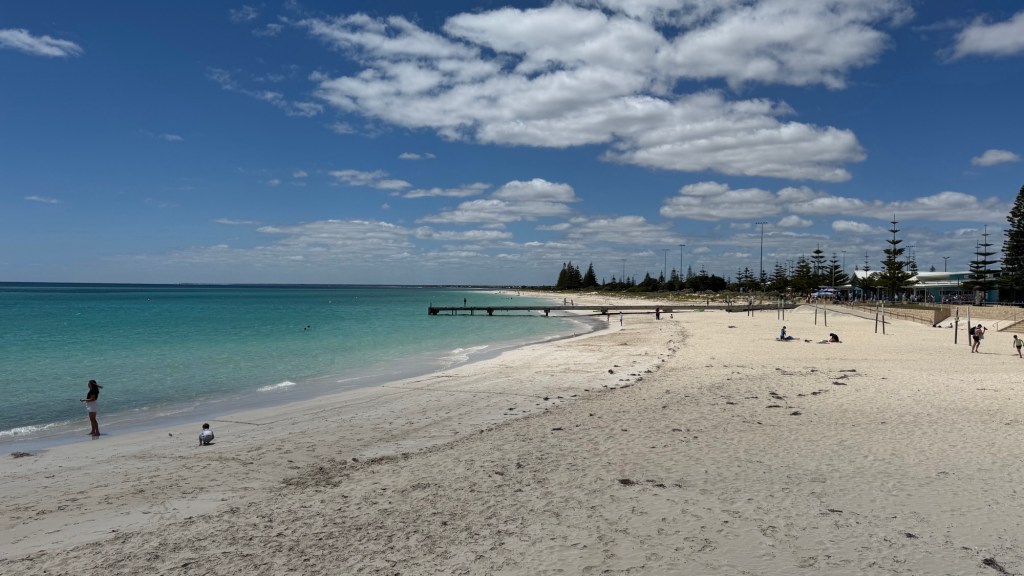

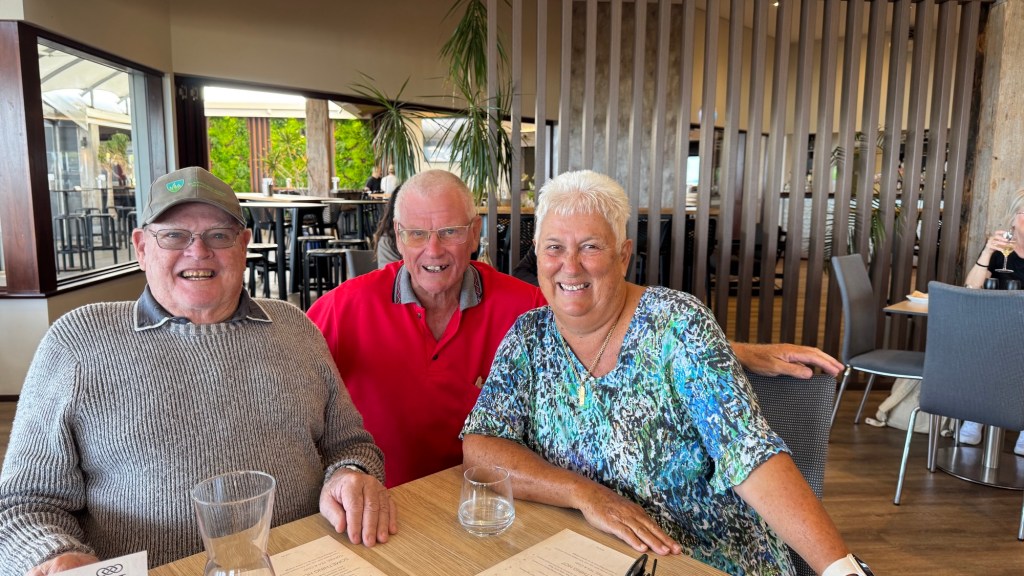
Meetup with an “old” friend.
A benefit of grey nomading is the times we meet up with others along the way. We met Brontë last year where we stayed in Darwin. His wife had not long gone and he won the “best dressed Christmas in July” person with a simple tee shirt, “Merry Christmas” written on it; judged by the other campers. He became everyone’s favourite. Annually, he drives his caravan to Darwin for two months of the winter. The warmer weather encourages him, and to see his daughter there. We had a lovely lunch at Kyrs Restaurant.
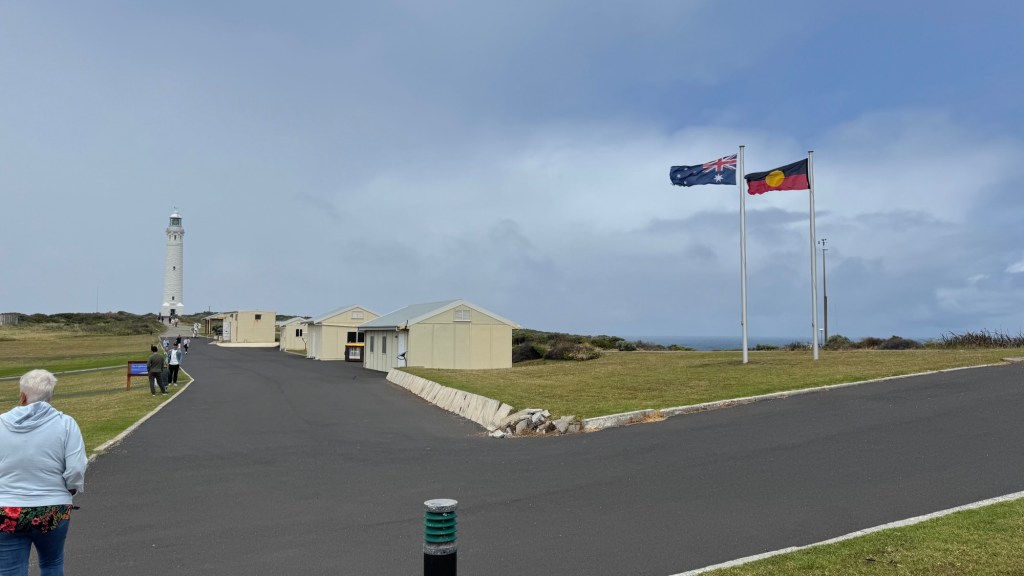
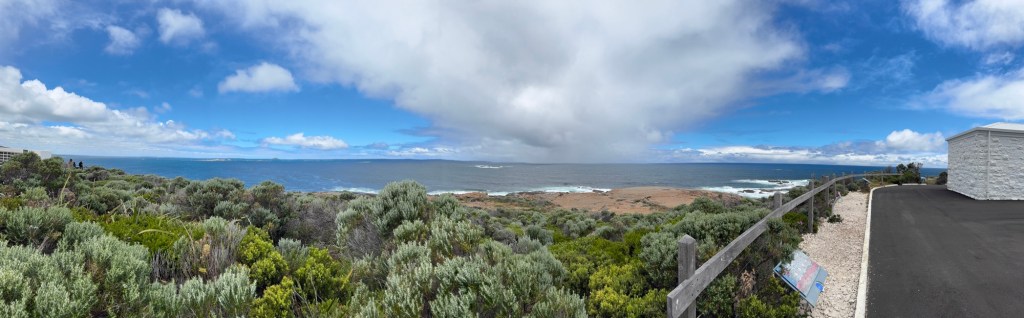
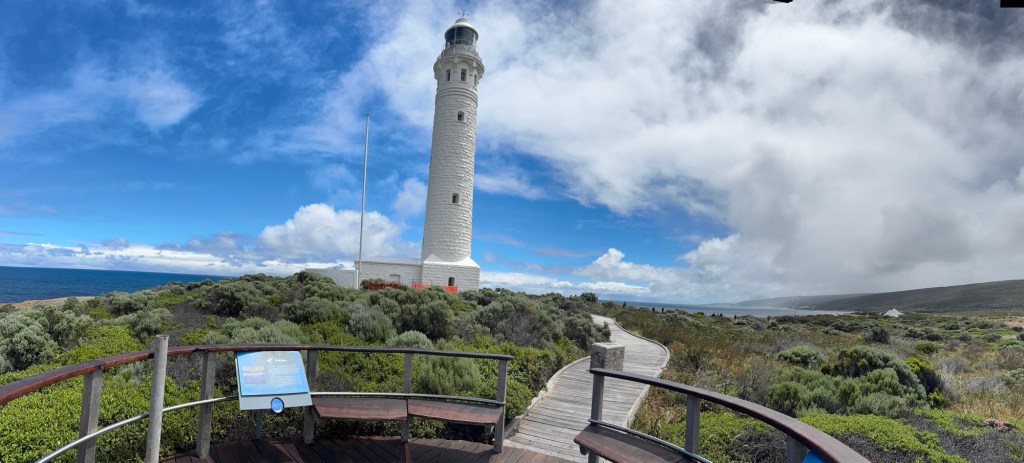
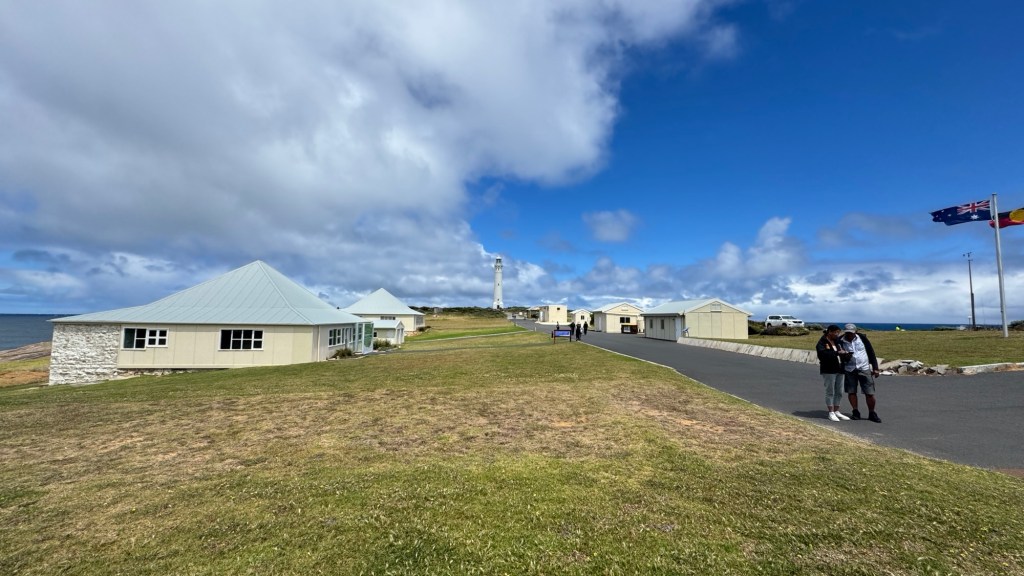
Cape Leeuwin
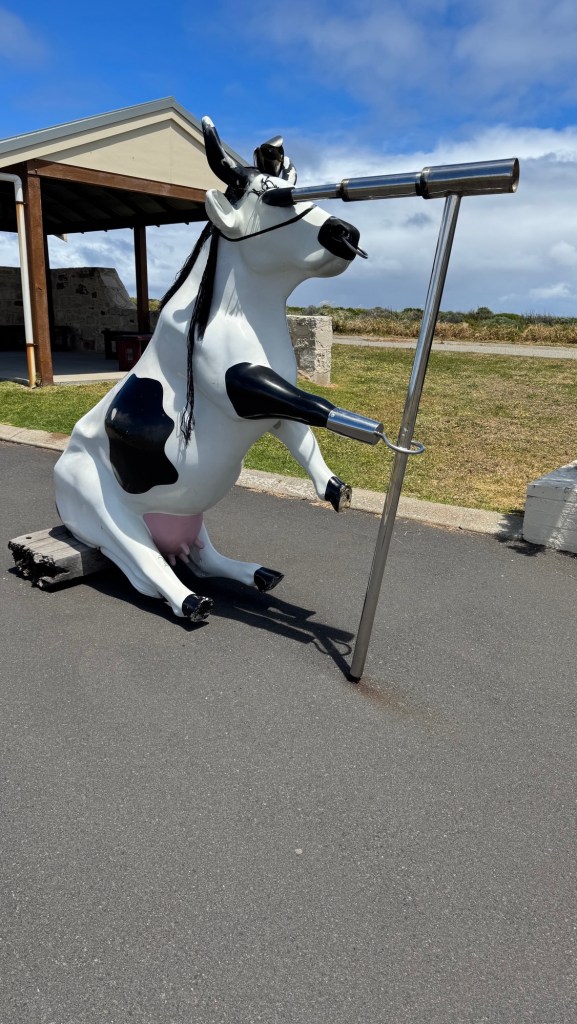
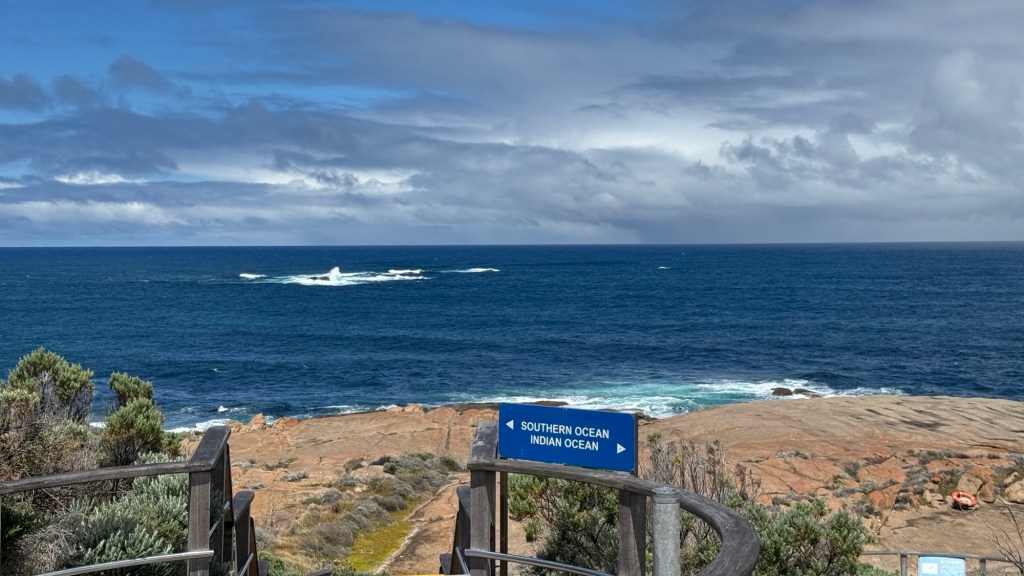
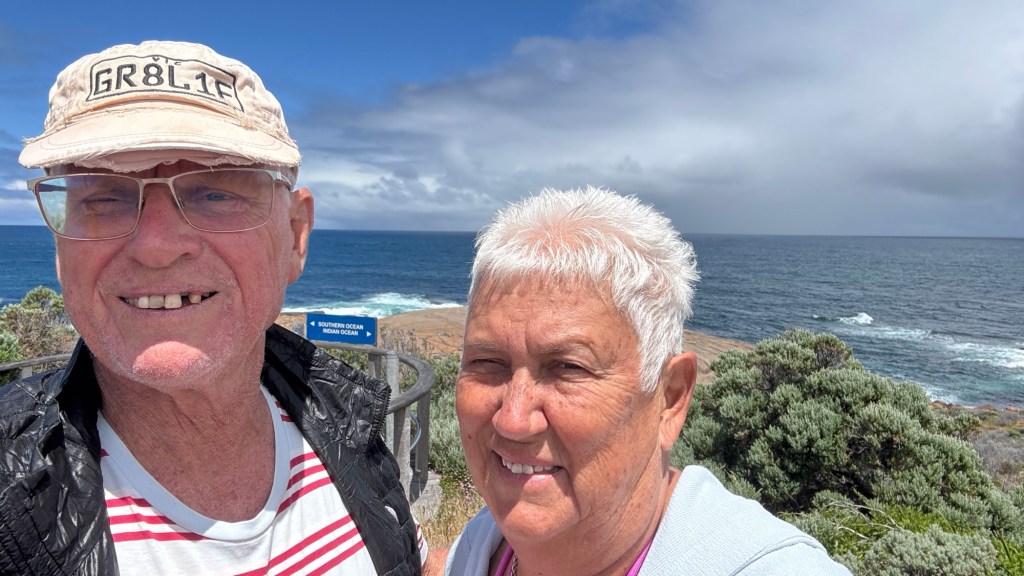
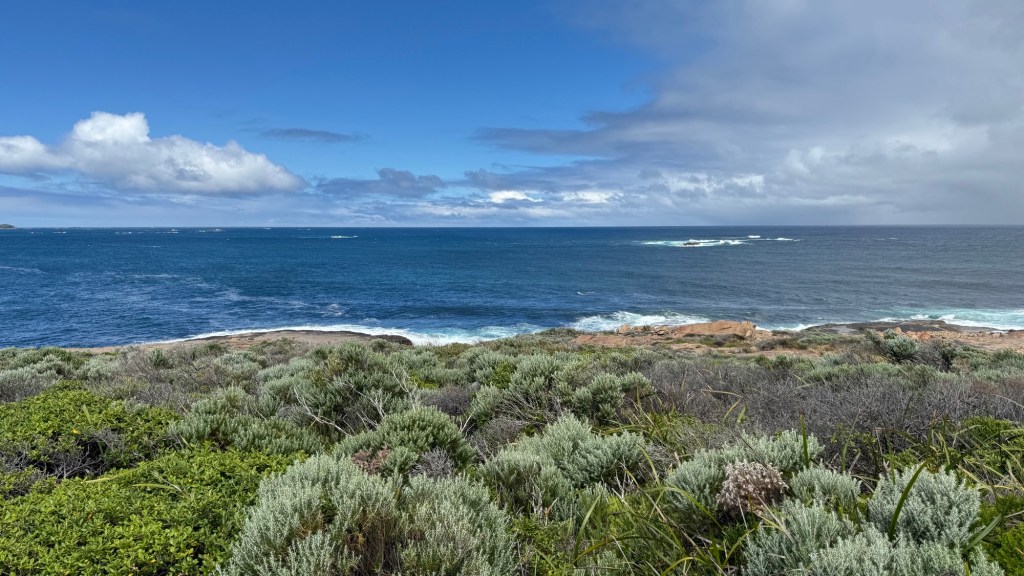
The southern tip of West Australia is where the Indian Ocean meets the Southern Ocean. There sits a lighthouse which has often played a part in ensuring safety for “ships of the night” And you’ll notice a lazy cow is the kid’s favourite.

Elephant Rock
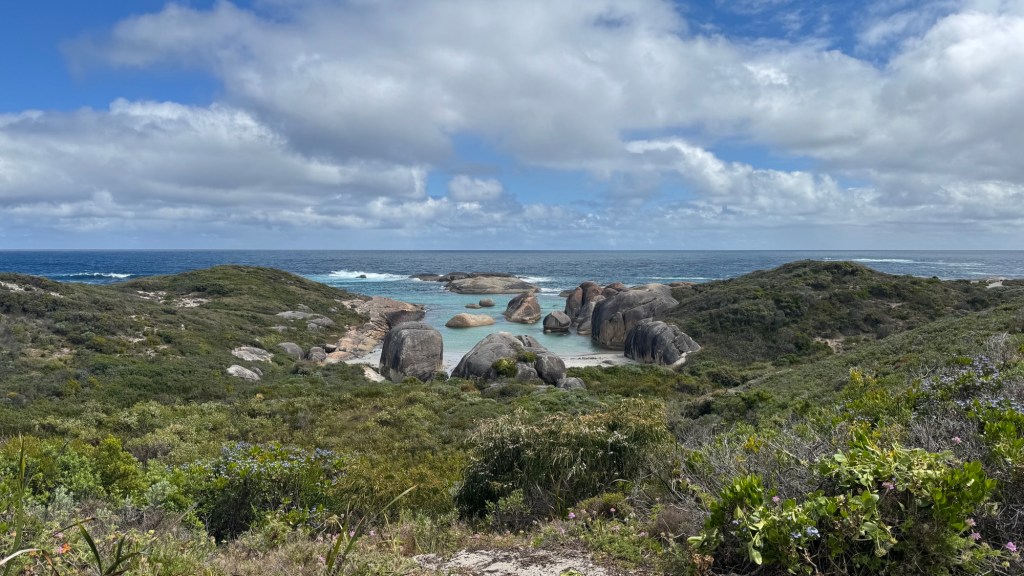
For obvious reasons, this rock is known as Elephant Rock. The waters around it show great ocean colours when the sun is shining.

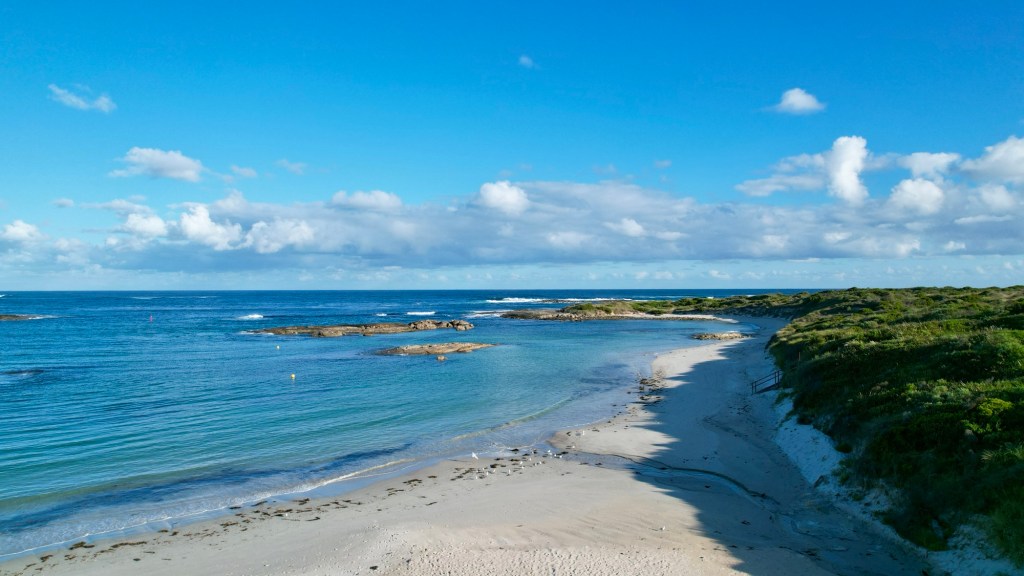
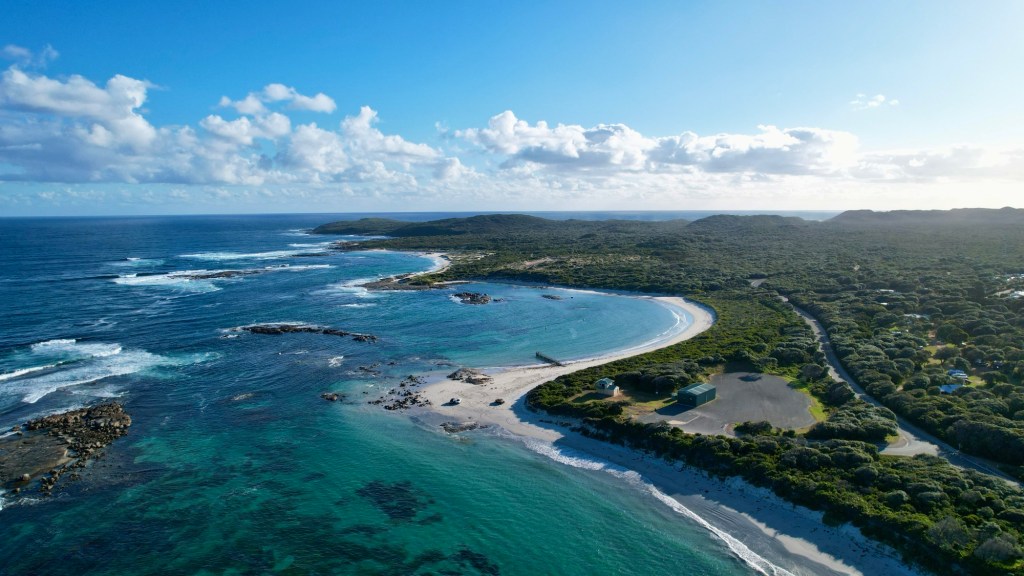
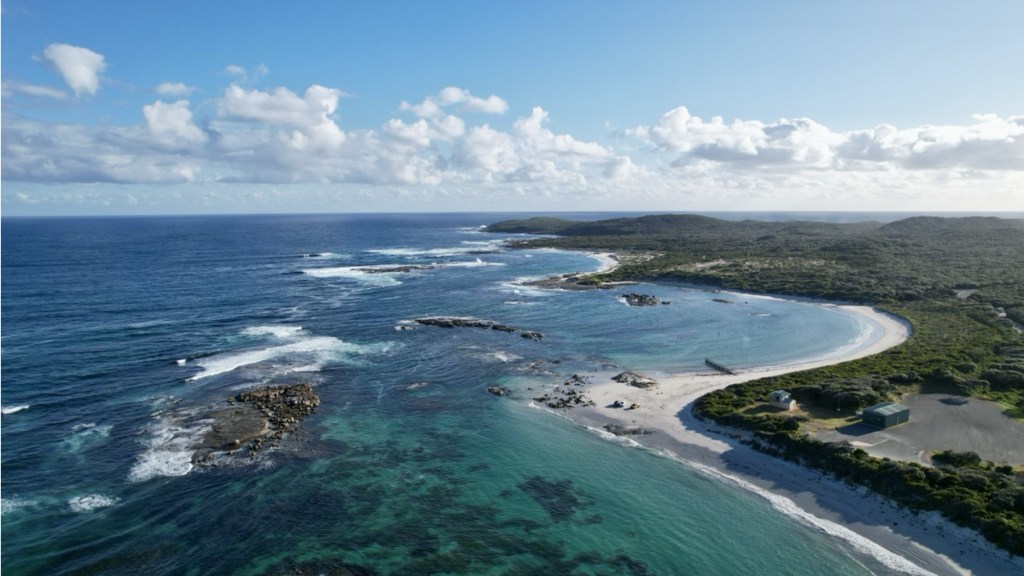
Peaceful Bay
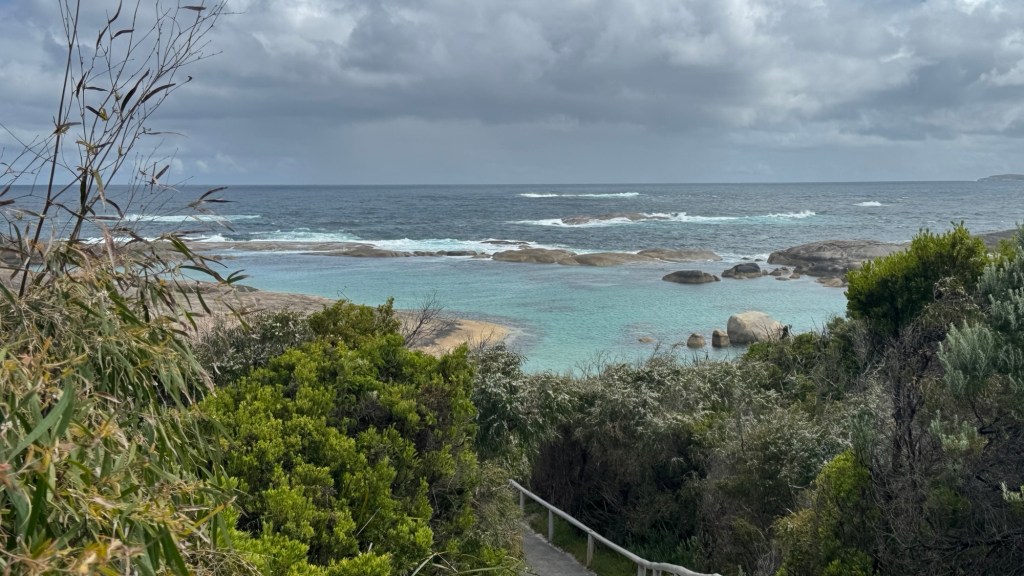
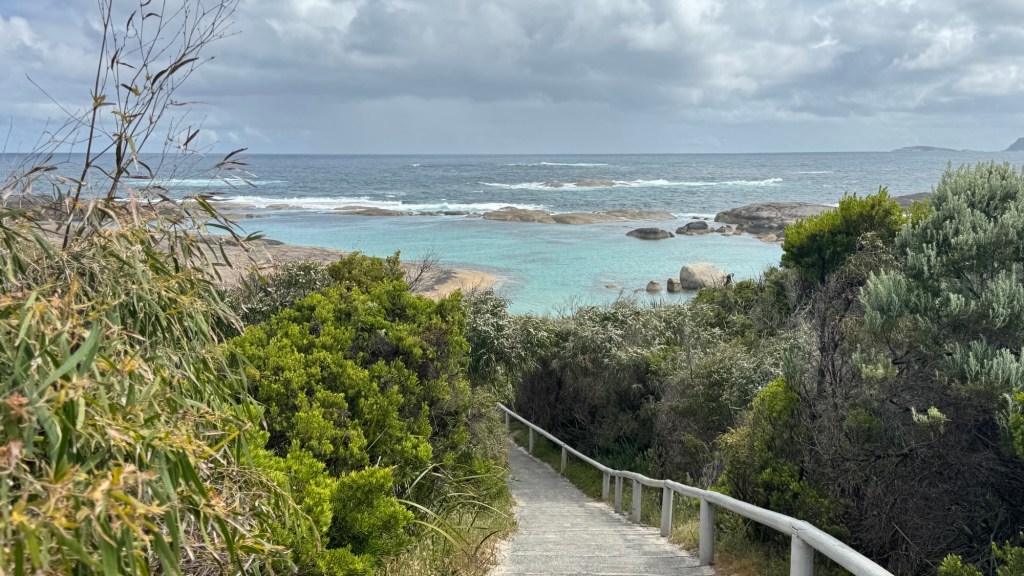
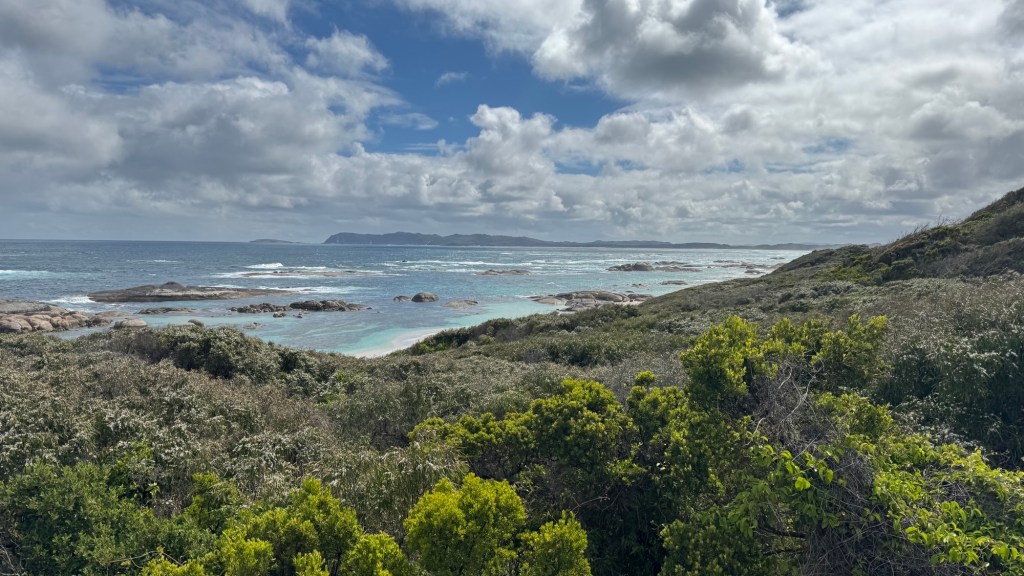
Like many of the places we have stayed on this lap, Peaceful Bay was never in our thoughts when planning the trip. However, the imagination found it an easy task to add it to the list of places to return to whenever we come over to “the West” again.
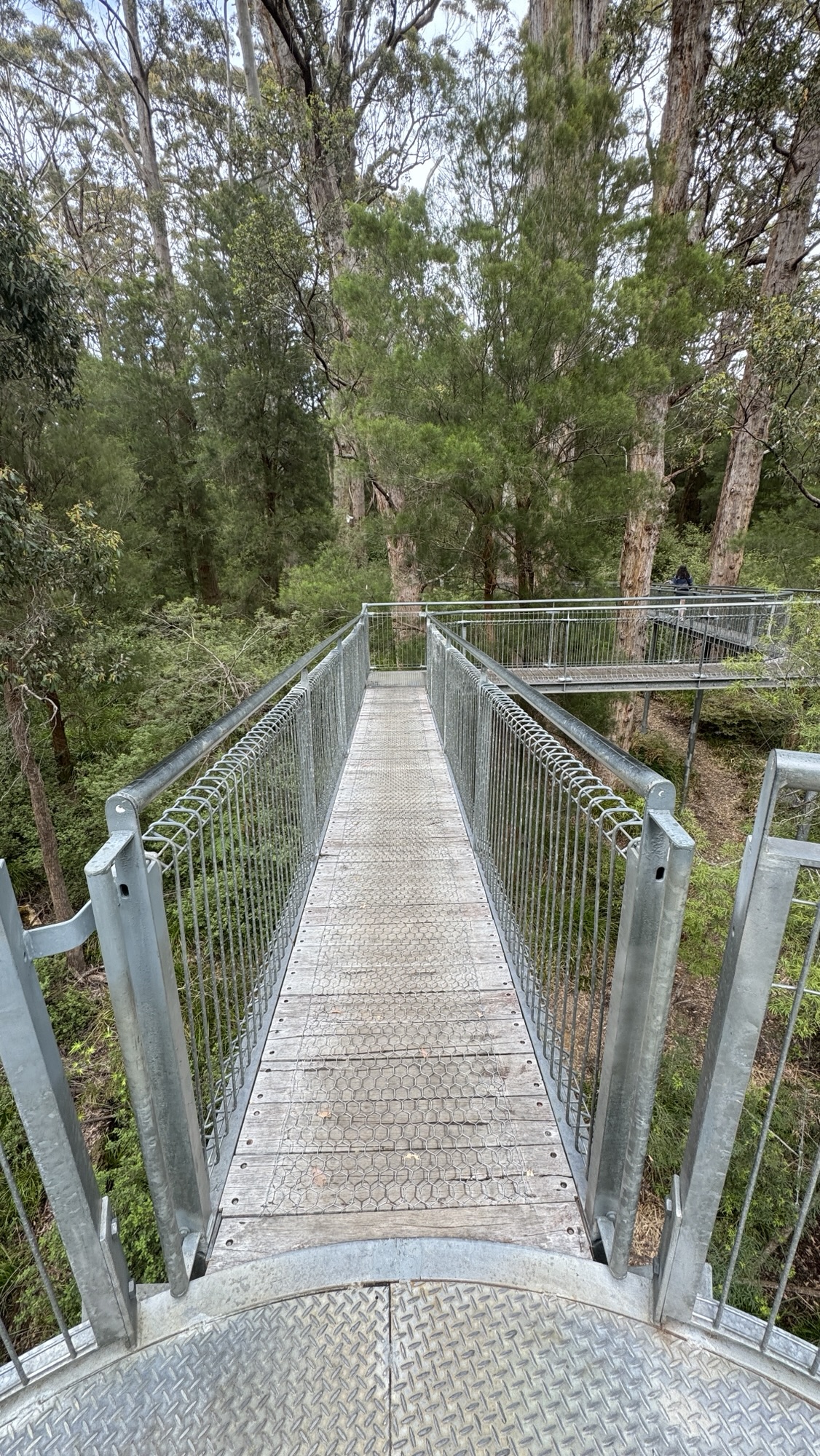
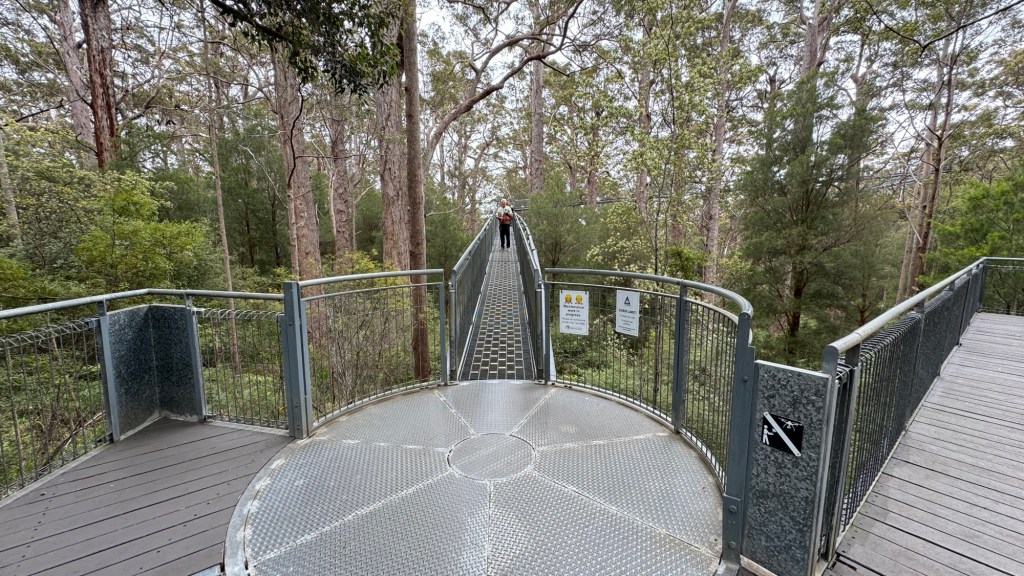
Tree Top Walk
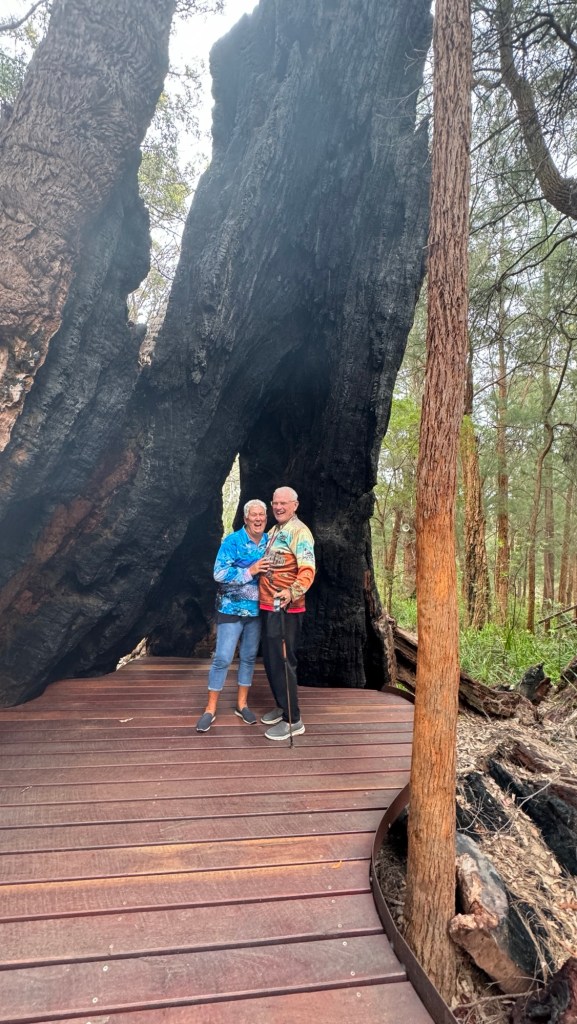
The valley of the giants is certainly well created from a natural valley filled with giant Karri trees. Yes, commercially, the work done creating the suspended walk would be well paid for by now with a continuous steady flow of tourists. An enormous structure of steel sways with your walking motion – a little perplexing for those with balance problems, as I found out; but we both made it.


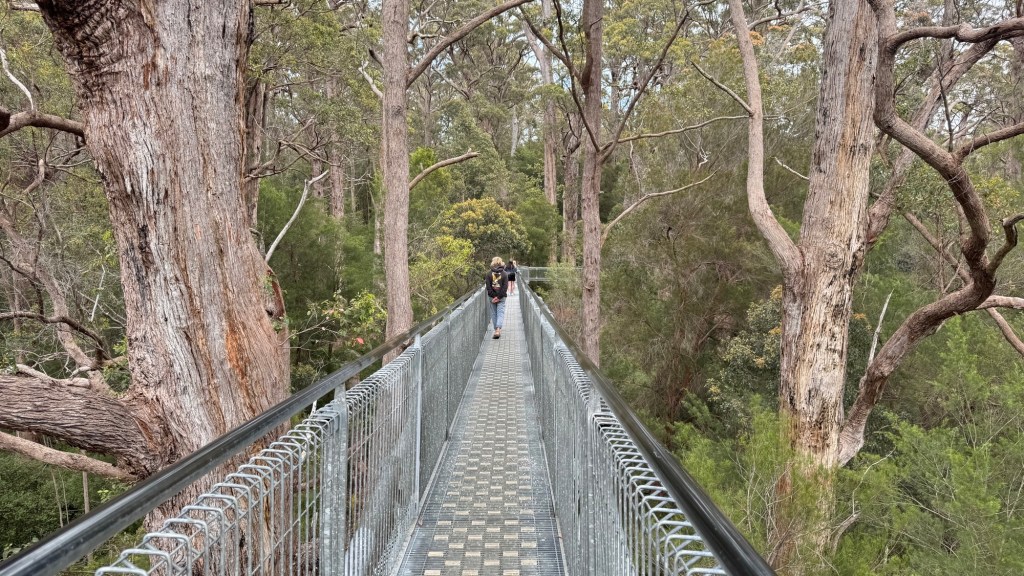
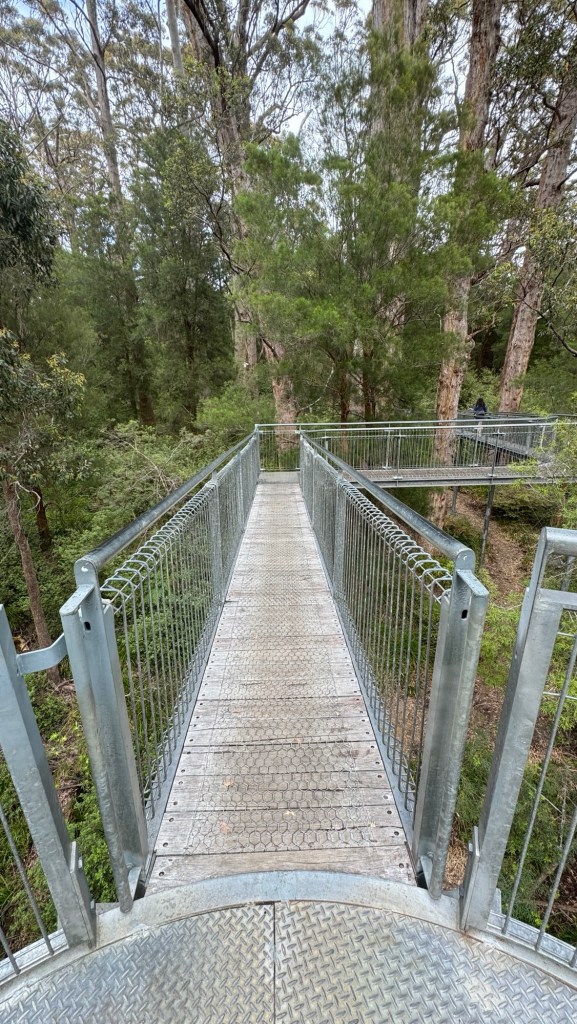

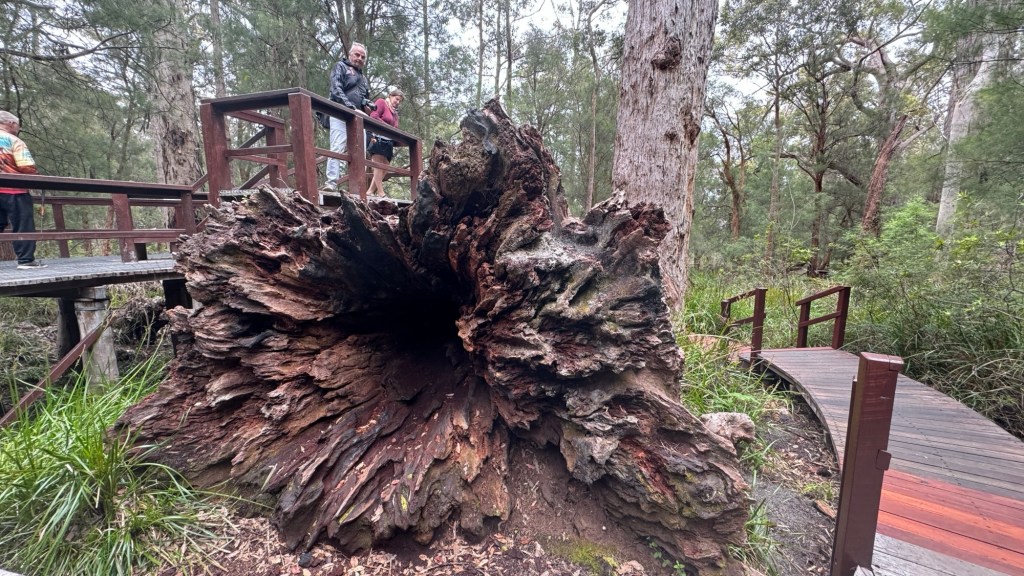
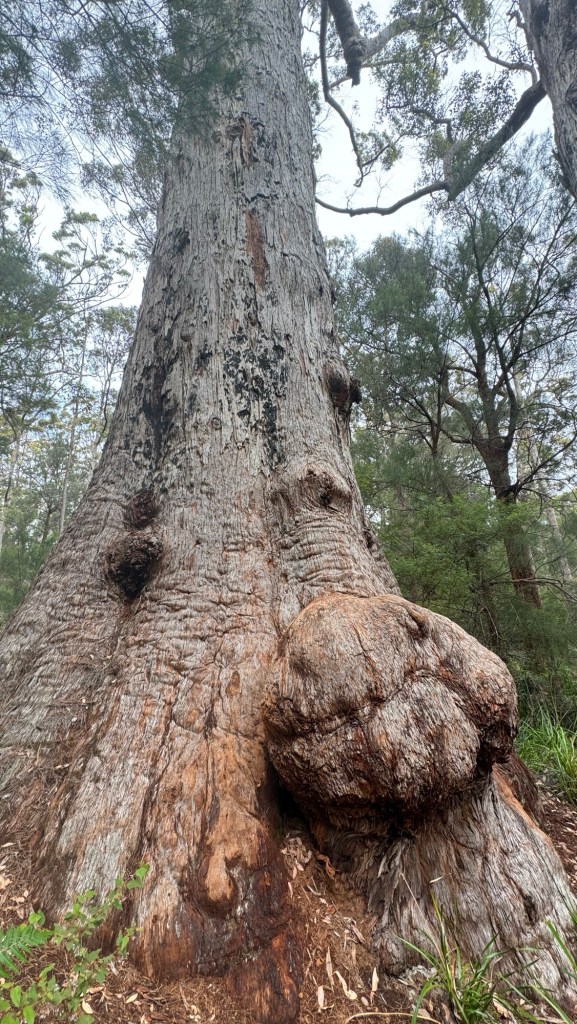
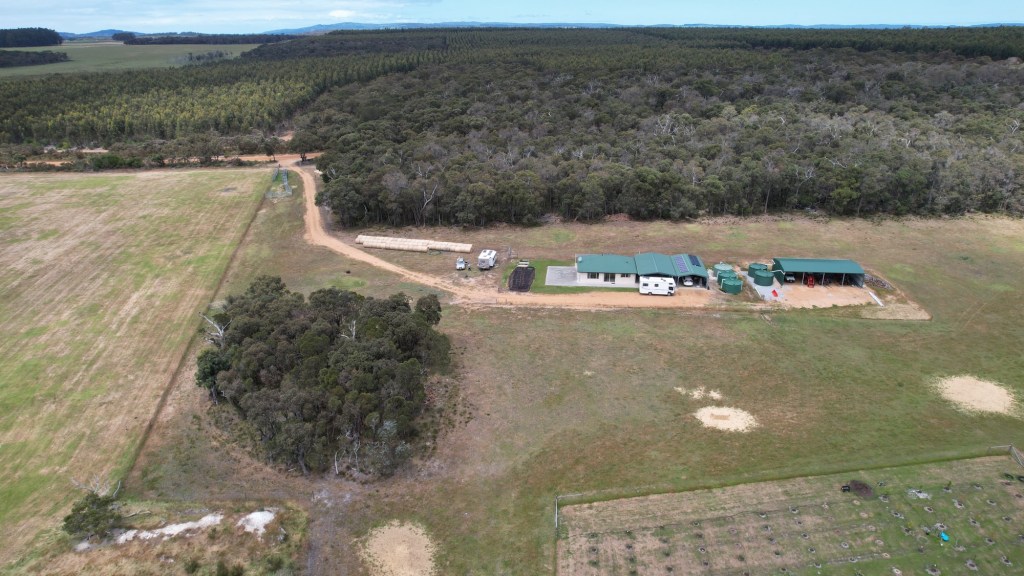
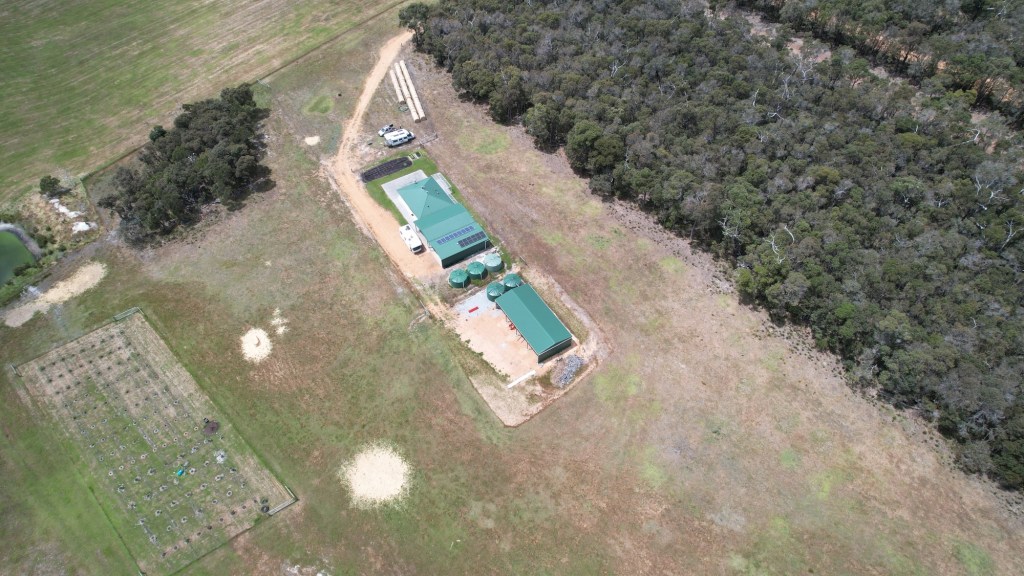
A free camp is always a welcome resting place. Peter’s brother lives on 100 acres with his very hospitable Russian wife. Des is an accountant and works from home for some Aborigine Community Services group. He has a great office lookout.
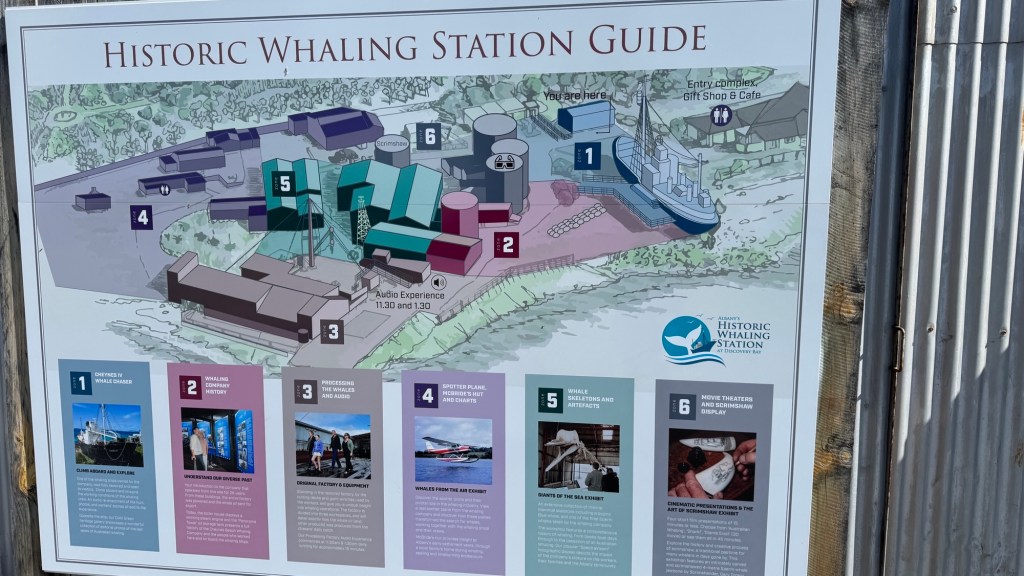
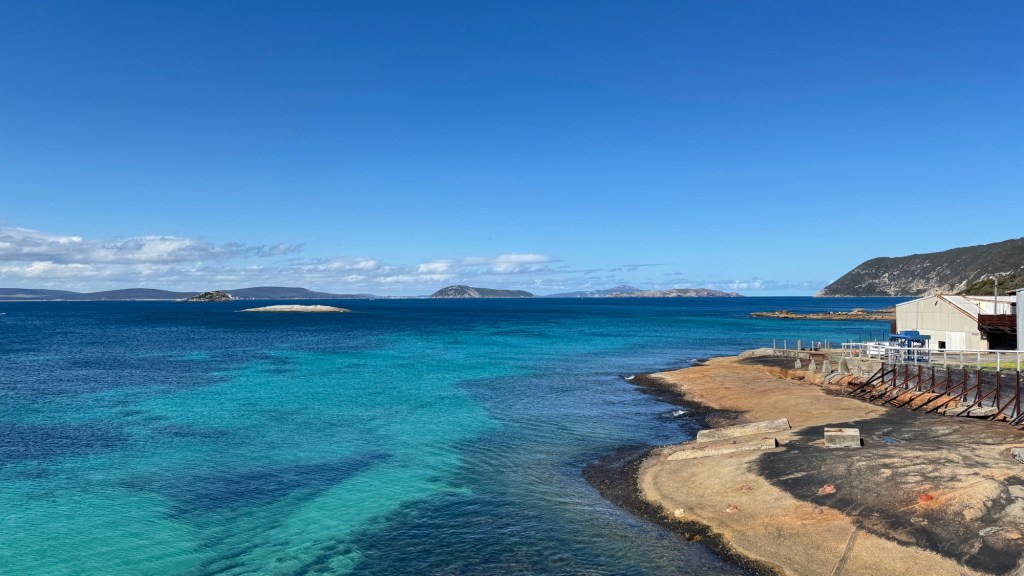
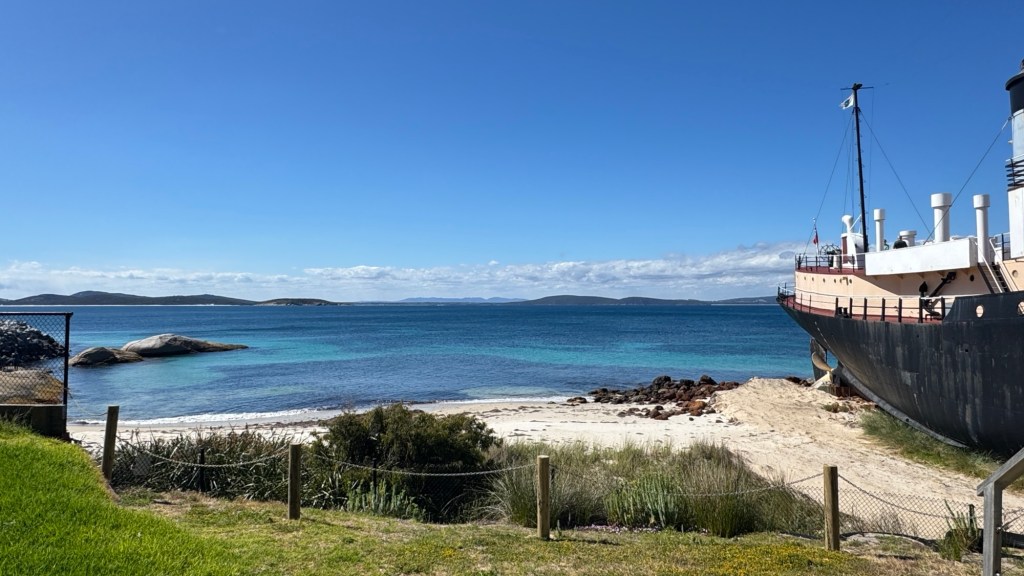
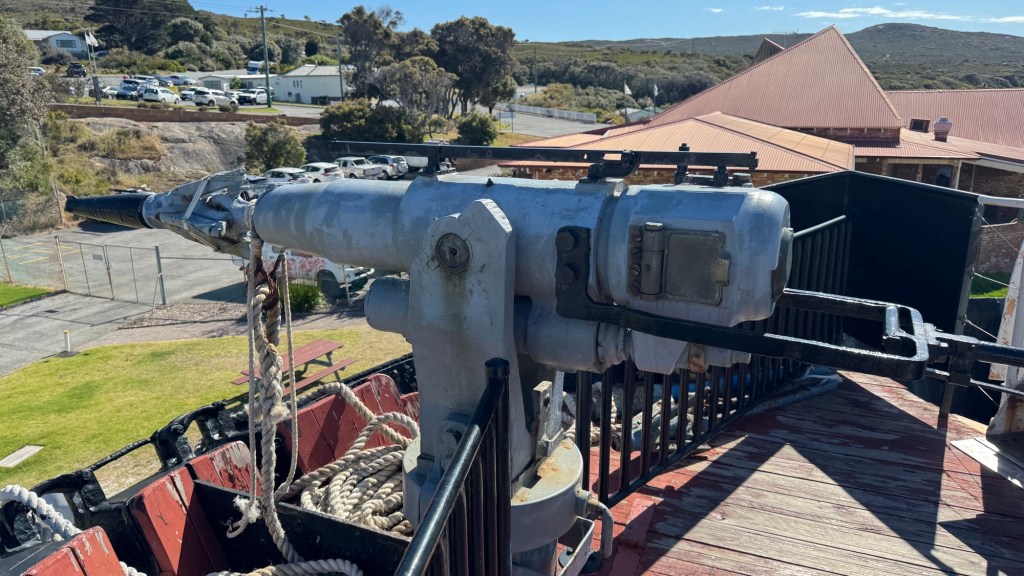
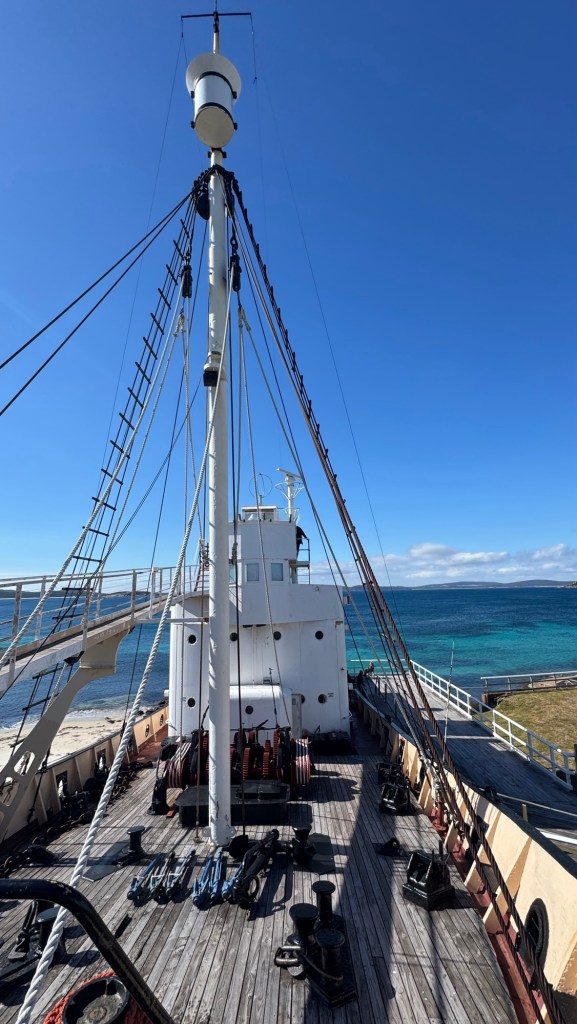
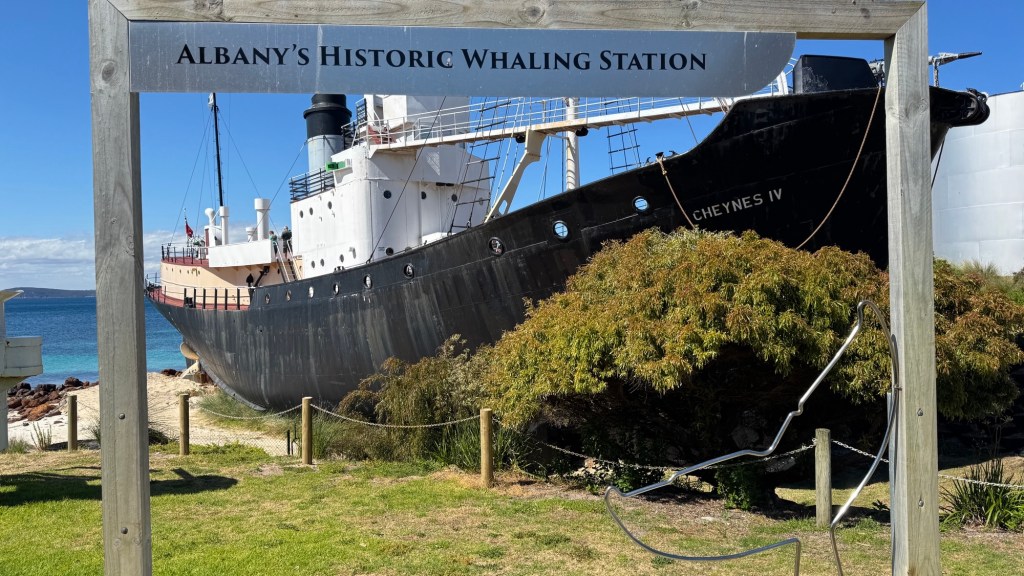
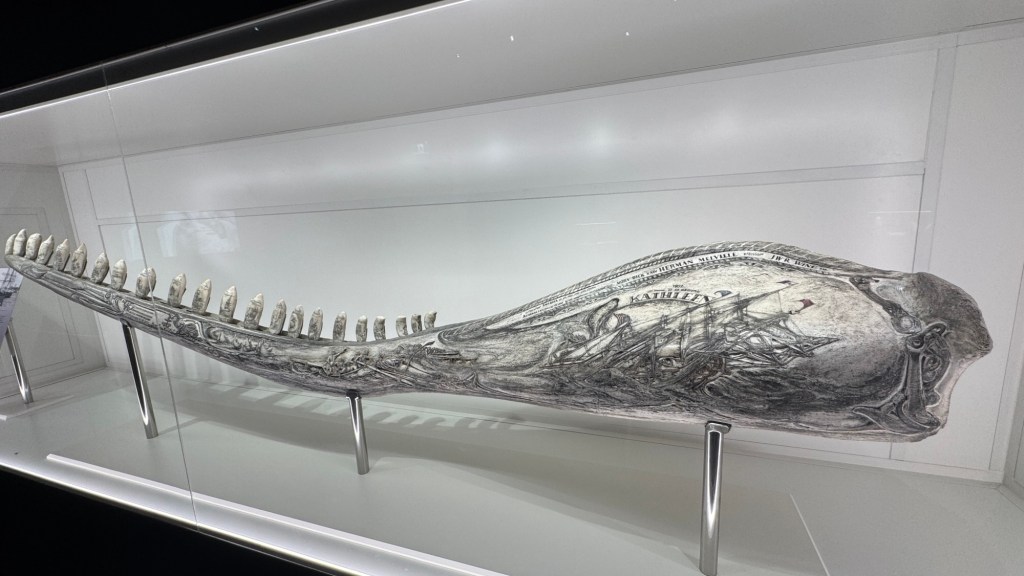
Albany Whaling Station
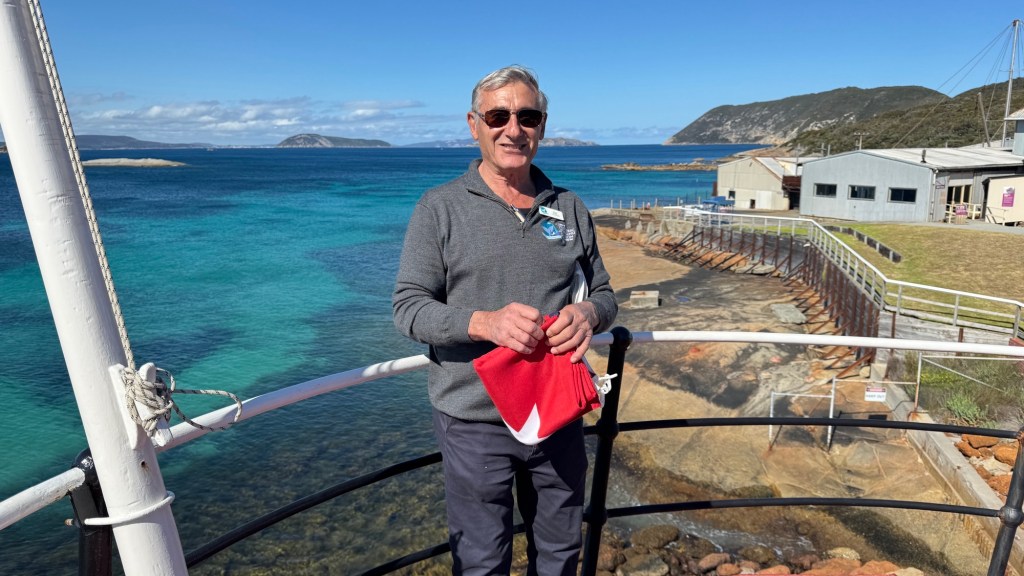
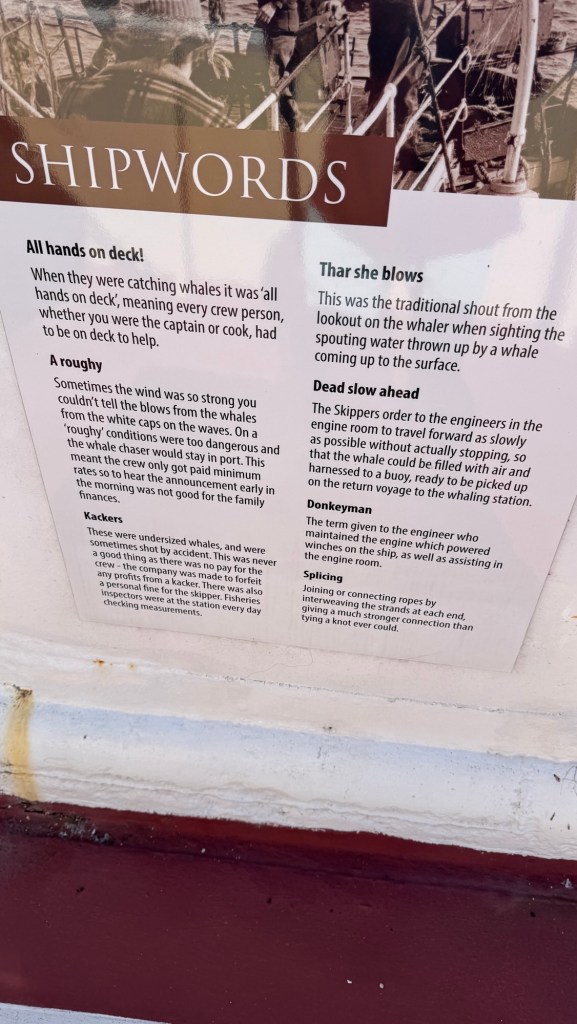
The whaling station used to provide work for many when it was heavily involved in capturing whales to provide whale oil, meat, and other resources which were eventually frowned upon when closure took place in the 70s. Jo, in the picture, is now a volunteer guide at the museum. At 19, he left his love of surfing in Perth to find “the wave” near Albany during a two week holiday. He’s still on that two week holiday 60 years later. He took up a job on a whaling ship and now is part of history.
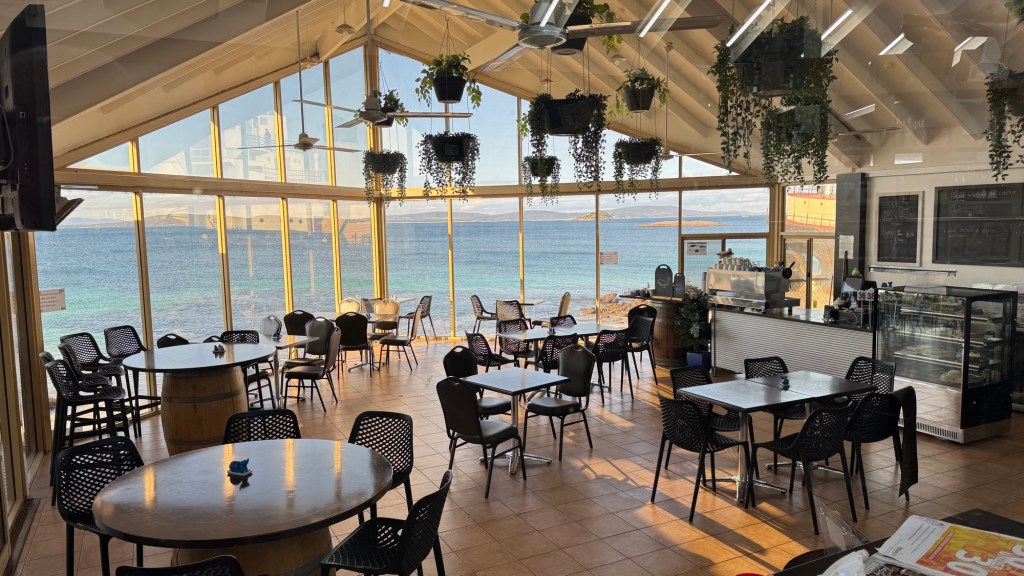
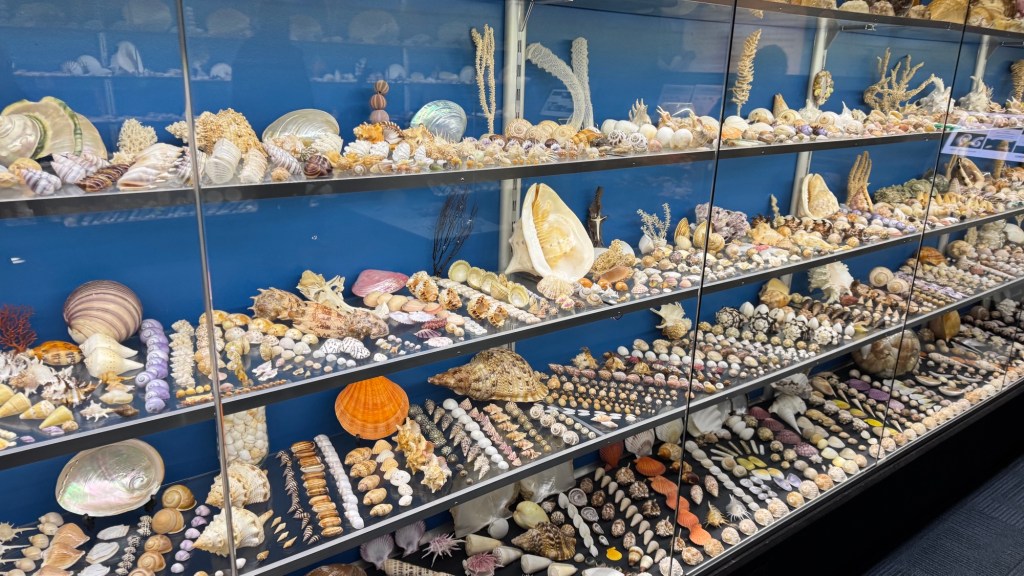
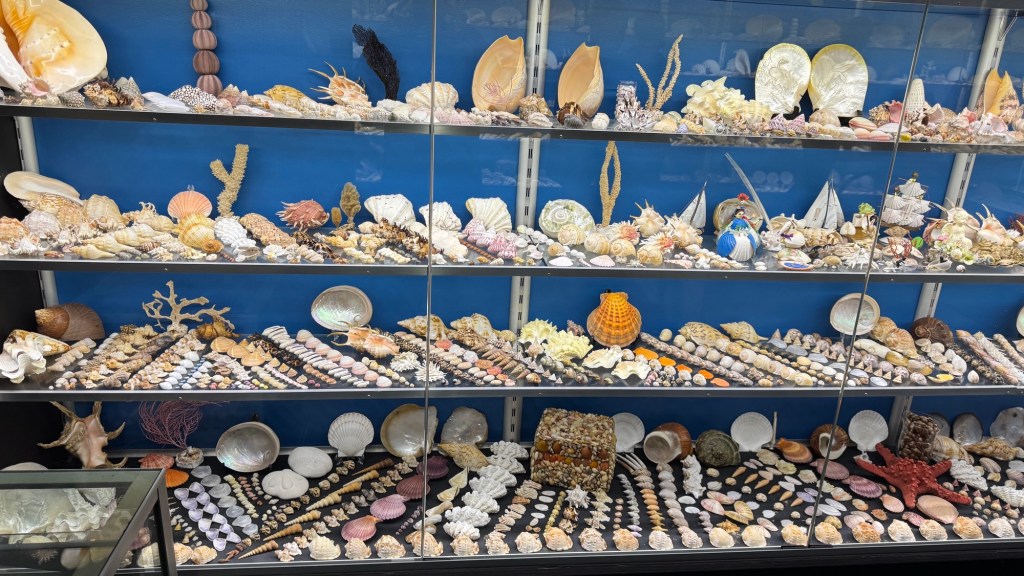
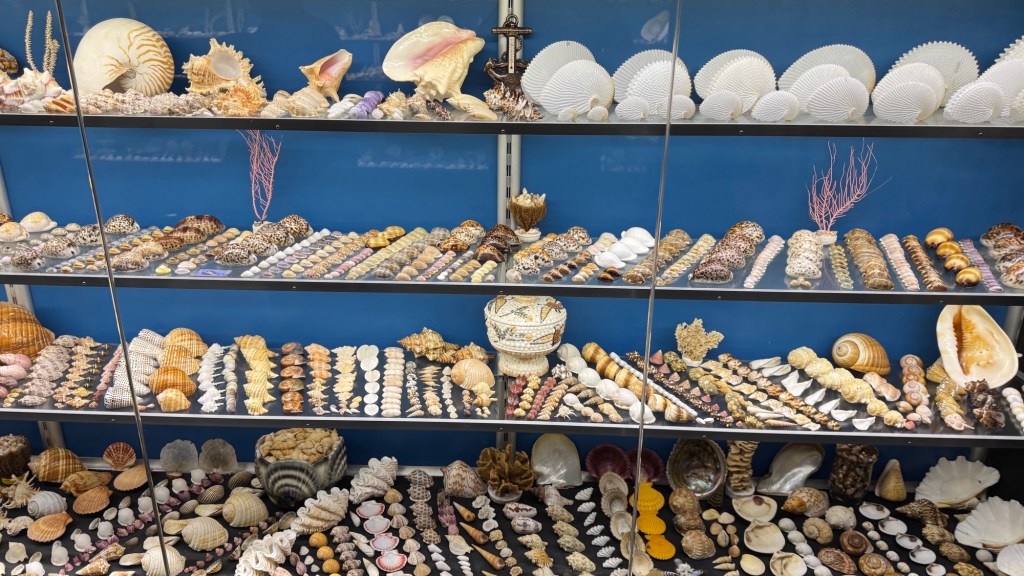
Shell Collection
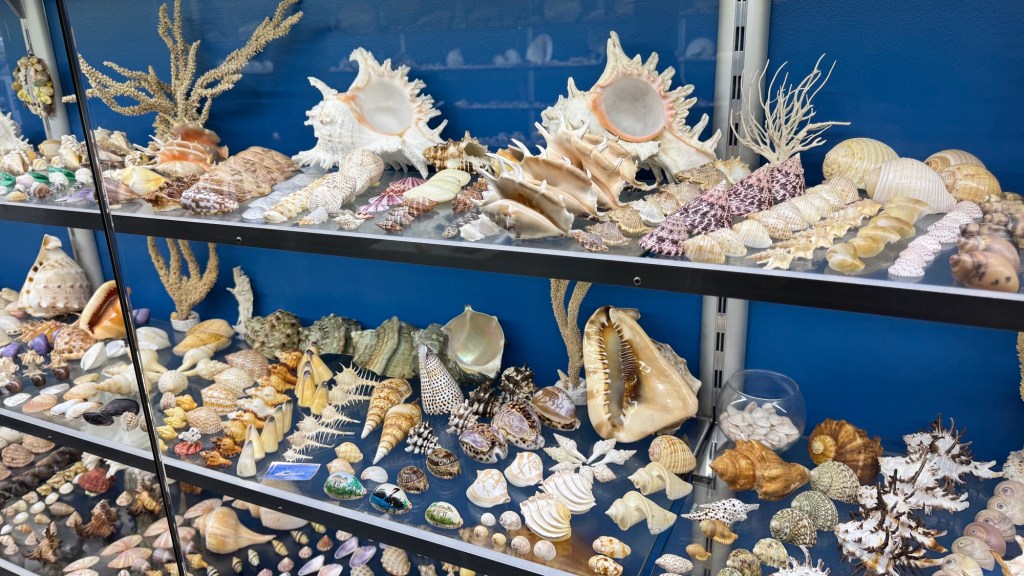
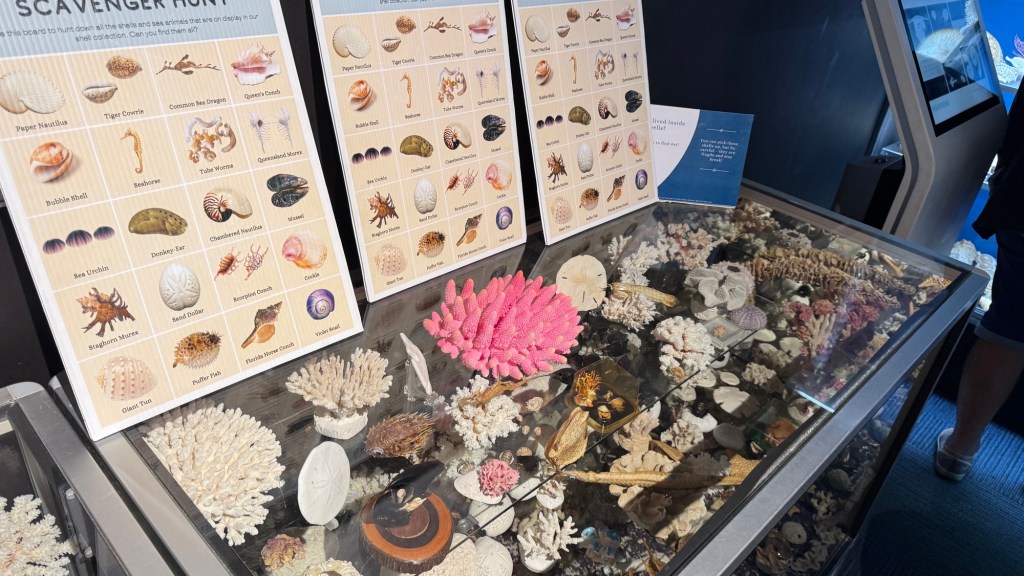
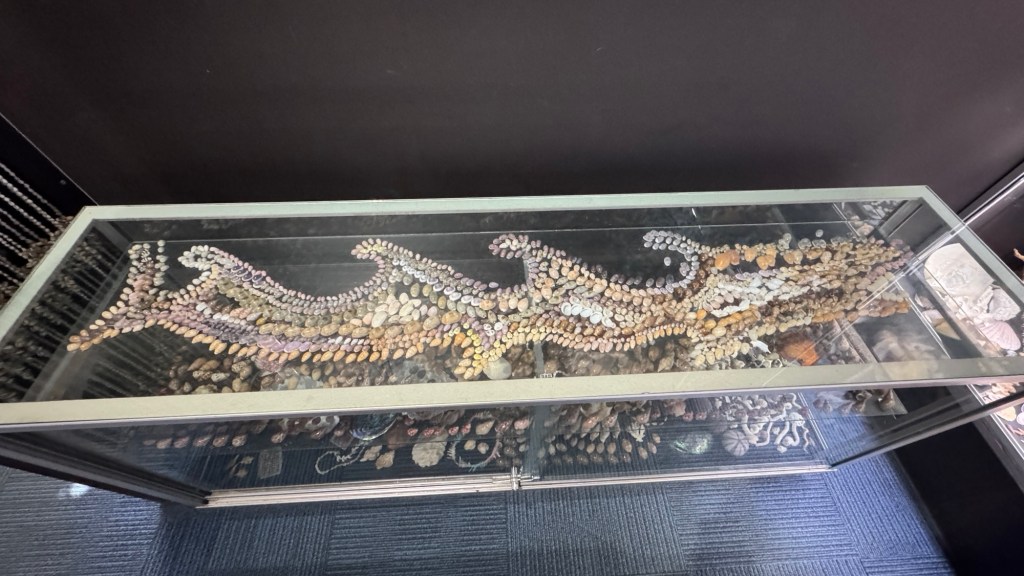
At the entrance to the whaling station museum is a private shell collection of a local, Hilda.
“After a lifetime amassing this spectacular collection of shells from around Australia we are delighted Hilda has trusted us to display her prized collection here at Discovery Bay.”
“60 years ago I found a really beautiful shell on Middleton Beach and that was the beginning of my collection.”
“My grandfather William Cooper worked as a whaler in Albany back in the late 1800s, so I feel very happy about all the shells finding a home at Discovery Bay.”
The display was well worth visiting to see the intricate shells lined up in their makes and sizes.

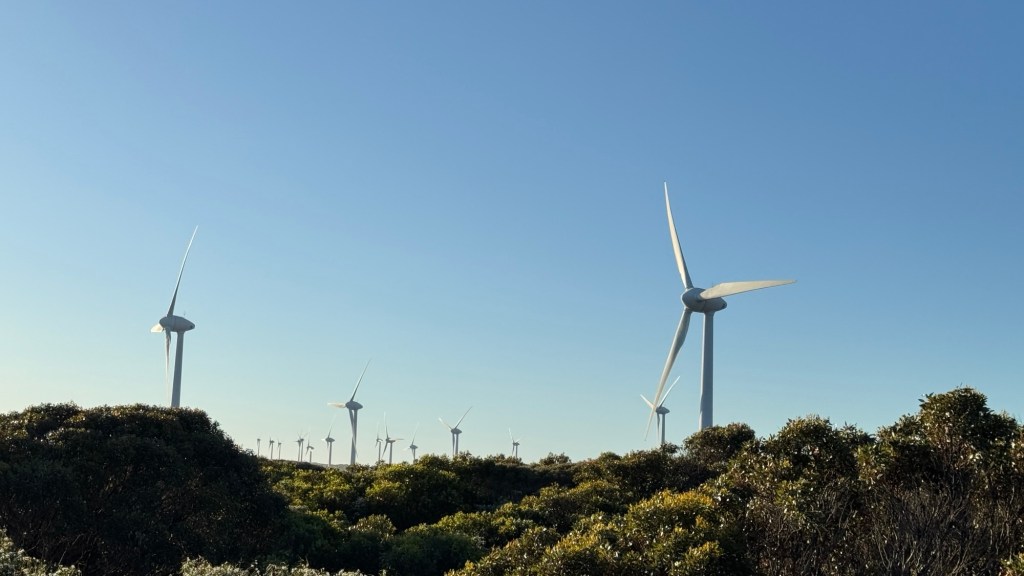
Albany Wind Farm
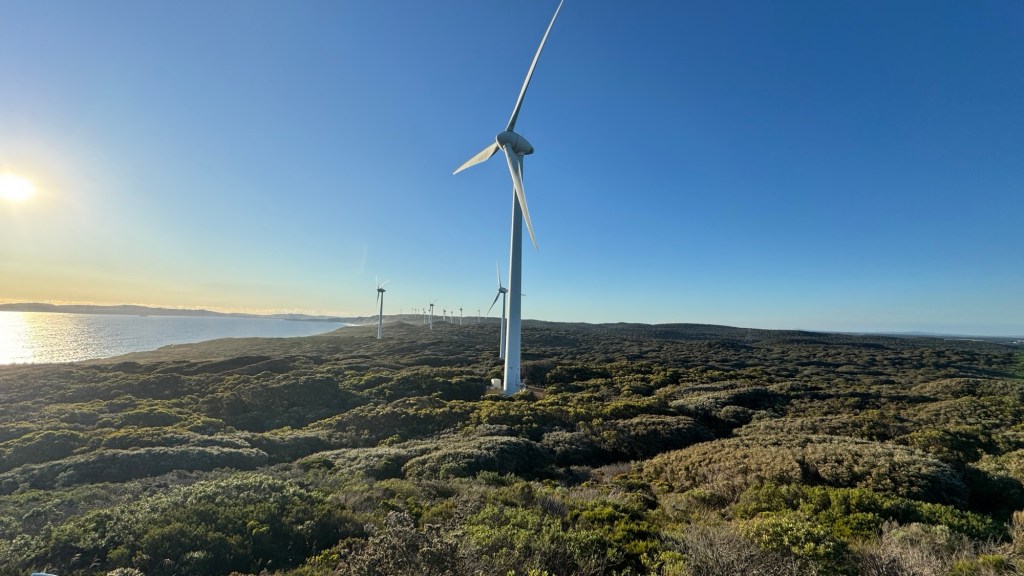
Albany has created a “wind farm” tourist spot. They explain the benefits of wind energy to maybe soften the sarcasm a little. However, after hearing the noise of the large fans, I wouldn’t want one in my backyard. They promote the fact that the wind farm provides 85% of the energy for Albany’s 40,000 residents. That’s not bad I suppose but longevity and recycling itself is a conundrum yet to be discovered. Any takers?
 great life - retired got nothing on