
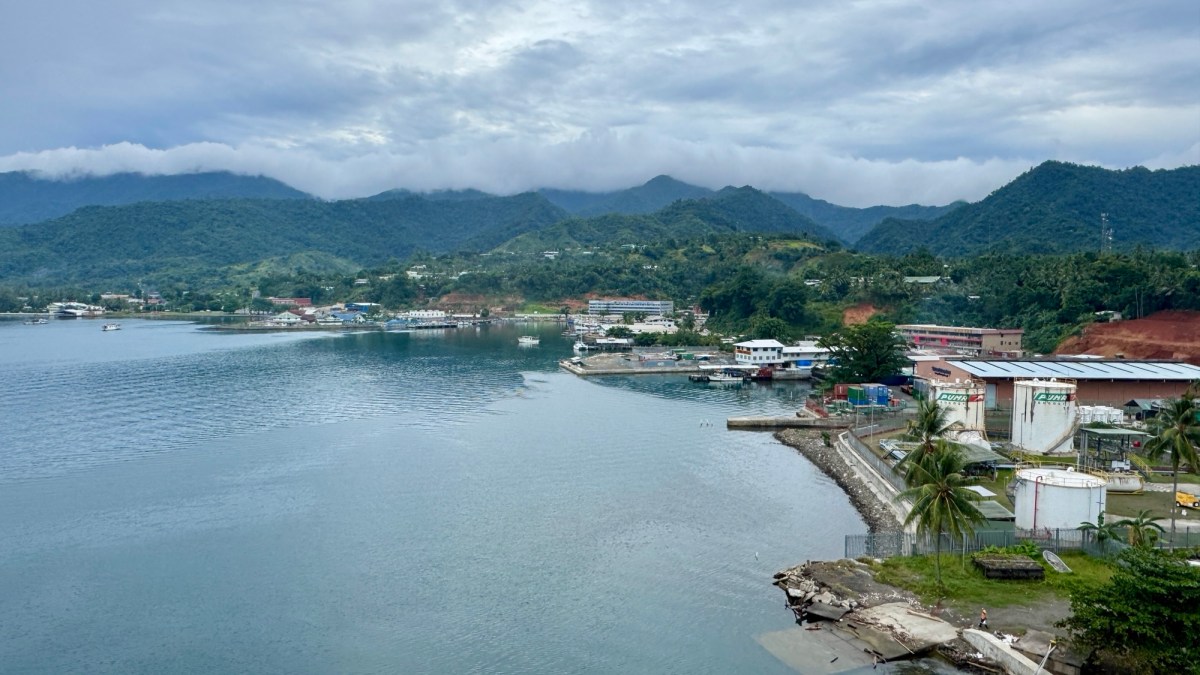
Due to an evolving tropical cyclone, our entry into Cairns was delayed until 6pm. The seas were calm but the harbour master wouldn’t allow large ships to berth until the exact direction of the cyclone was known. It made landfall about 400 km to the south of us.
We had a plan to meet up with a travel colleague but due to our change of plans Liz changed hers and wasn’t available on the Sunday. However, after a shop around the Cairns Shopping Centre (thank goodness for air conditioning), a haircut and a few needed items, we met up with Hilary and a catchup on her goings on since last year.
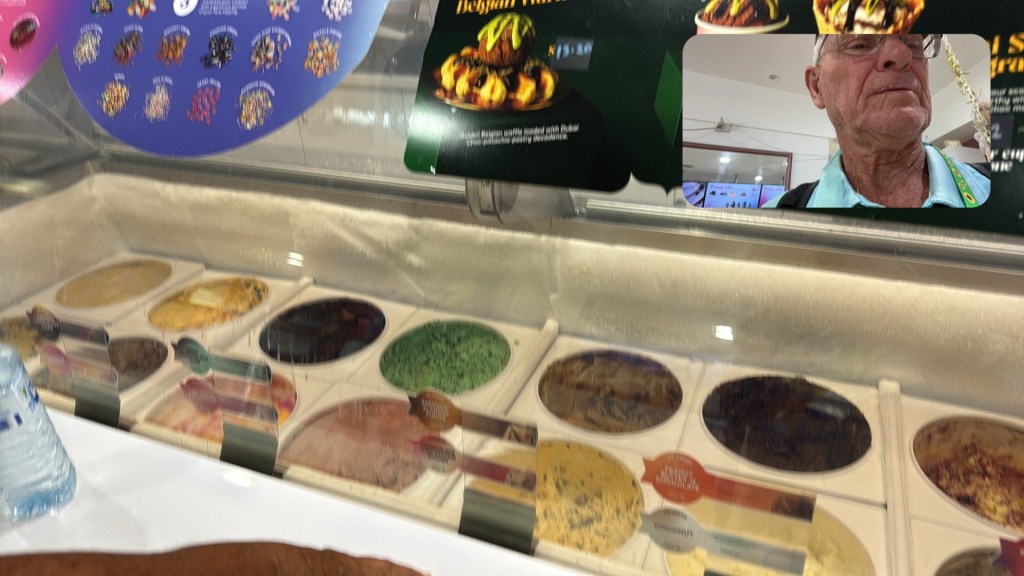
Of course, we managed to partake of our favorite ice cream from Bobbins Baskin. (Would you believe, for morning tea?
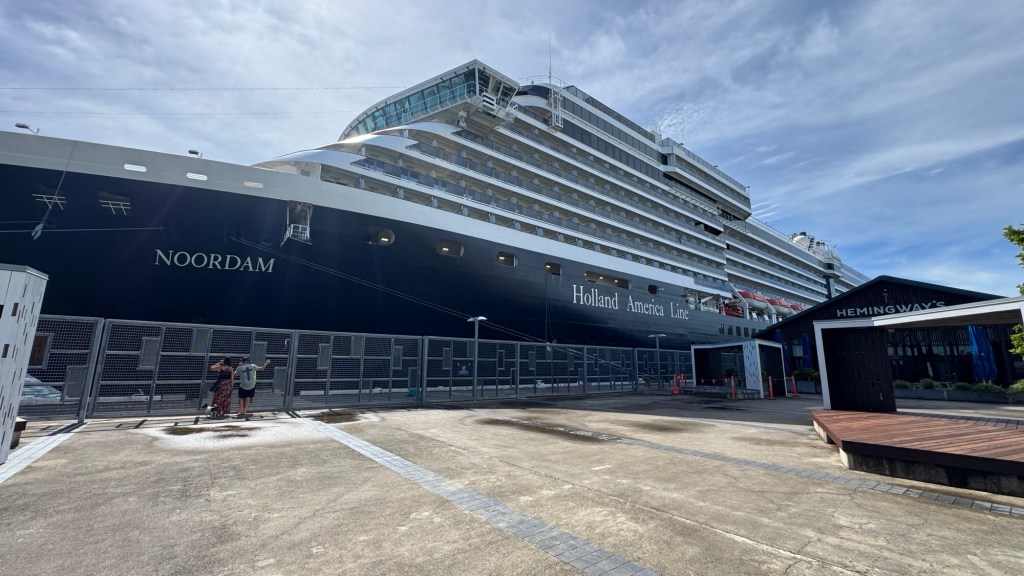
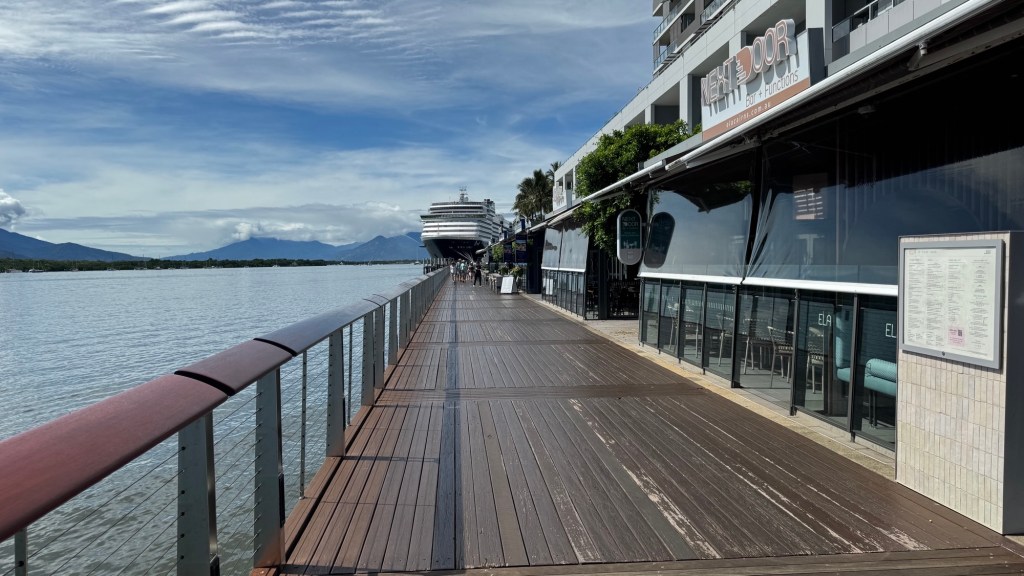

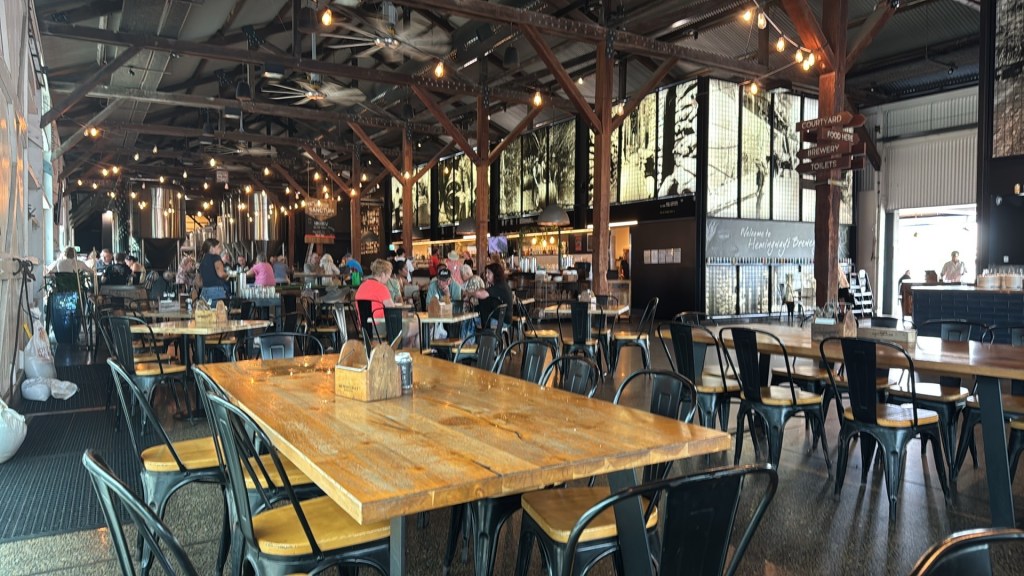

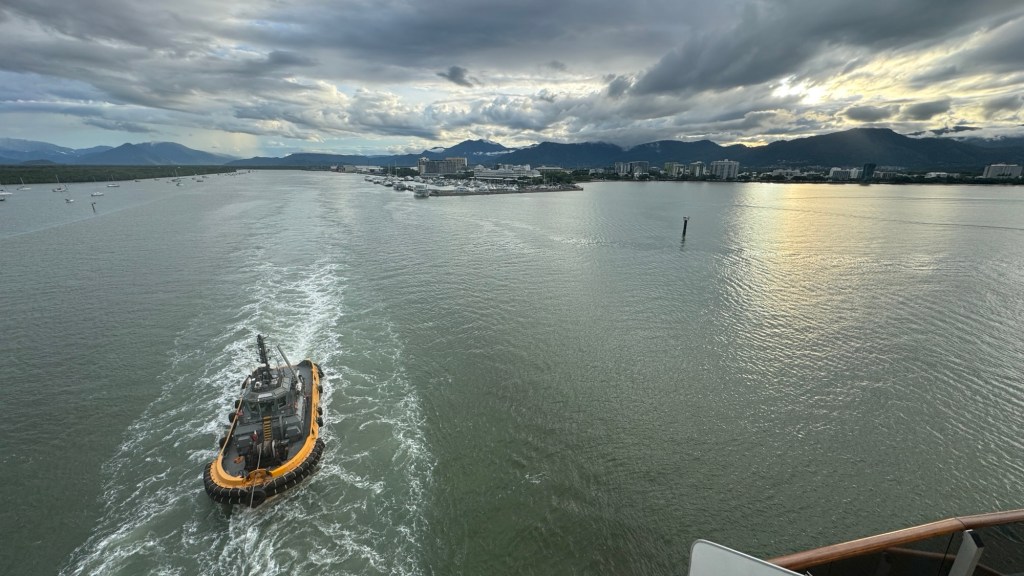

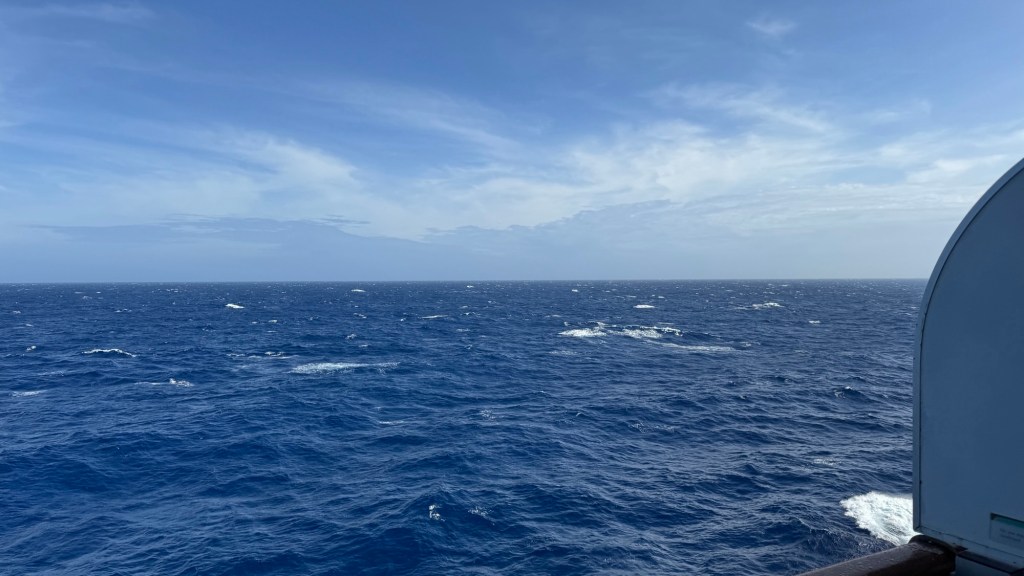
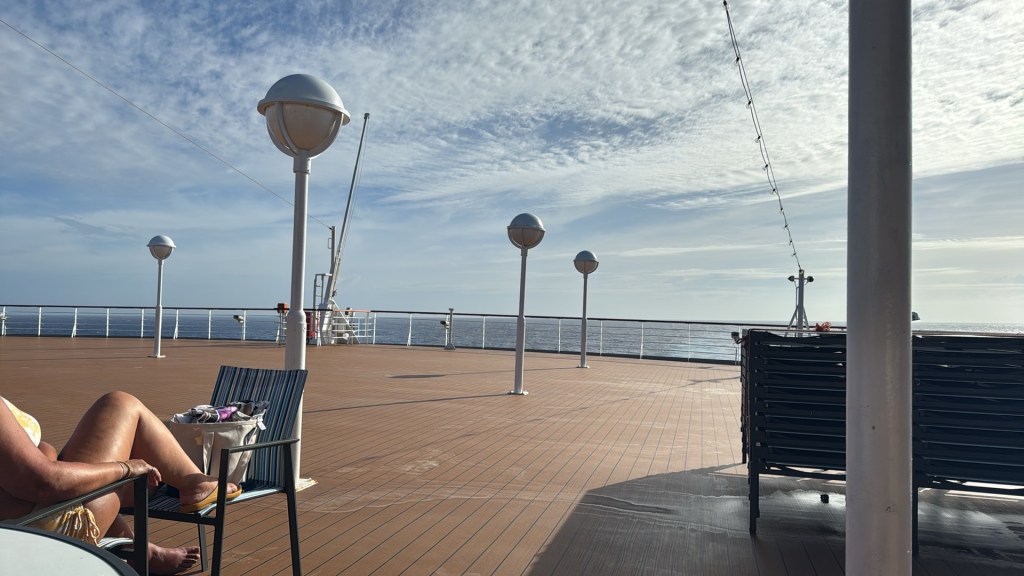
Our ship departed around 6:00pm through the Great Barrier Reef and into some moderate seas with a few bumps thrown in. With my walking poles, I have an ‘all clear’ passage as other folk “get out of my way”. Yes, if you see someone coming with walking aids, you make a swift move to the left or right of the walkway, especially in the lido dining room. The next day is a sea day and we find a quiet spot in the library to play 5 crowns and enjoy what the barista does for us.
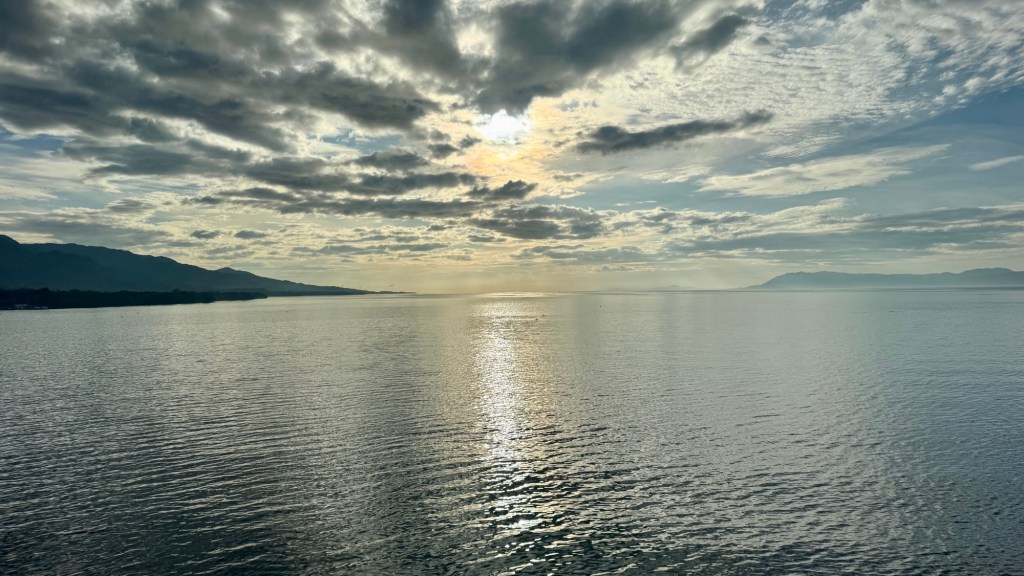
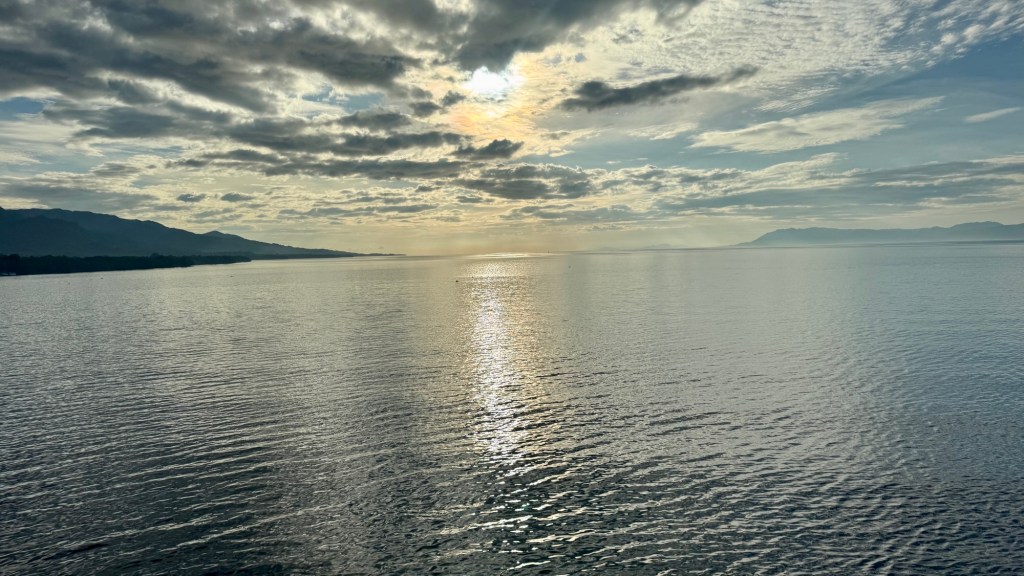
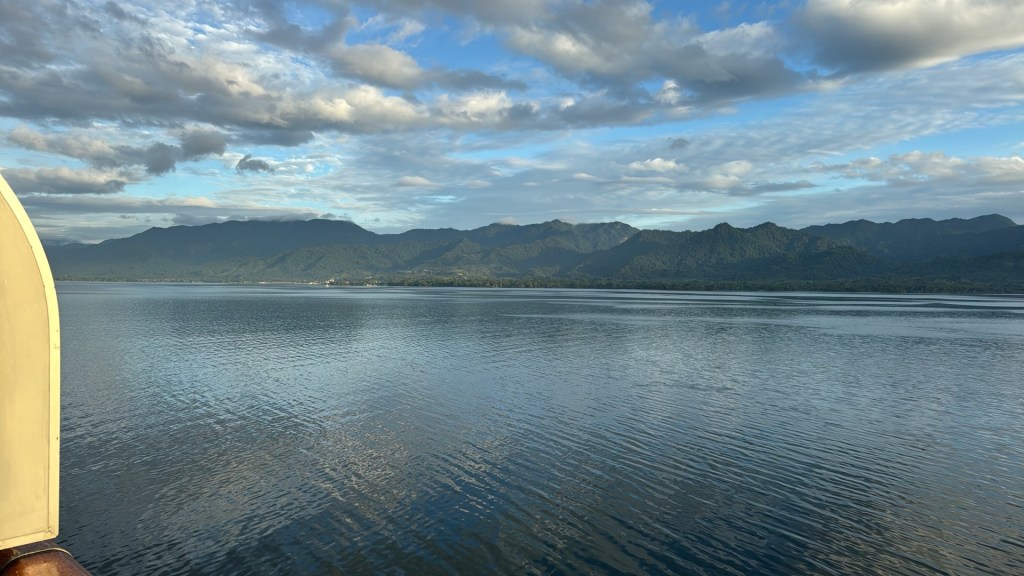
During each woken moment during the night, I check Google Maps to see our location at that point. It was noticeable when we came through the reef into the lagoon near Conflict Islands; the bouncy rocking ceased. We were back in Papua New Guinea after 40 years absent. I had never been to Milne Bay Province when we lived in PNG in the early 80s, but it’s a very nice harbour and a very busy little town. Not sure why there’s no resort here but it would be a great spot.
After we disembarked for a walk around the town, we quickly found out that most of the locals speak English. I had expected to use my limited Motu language or some Tok Pisin but the two little kids that latched onto us didn’t seem to know either. So English was the way we communicated while walking around the town. Found out later that Motu is not used at all in Alotau.
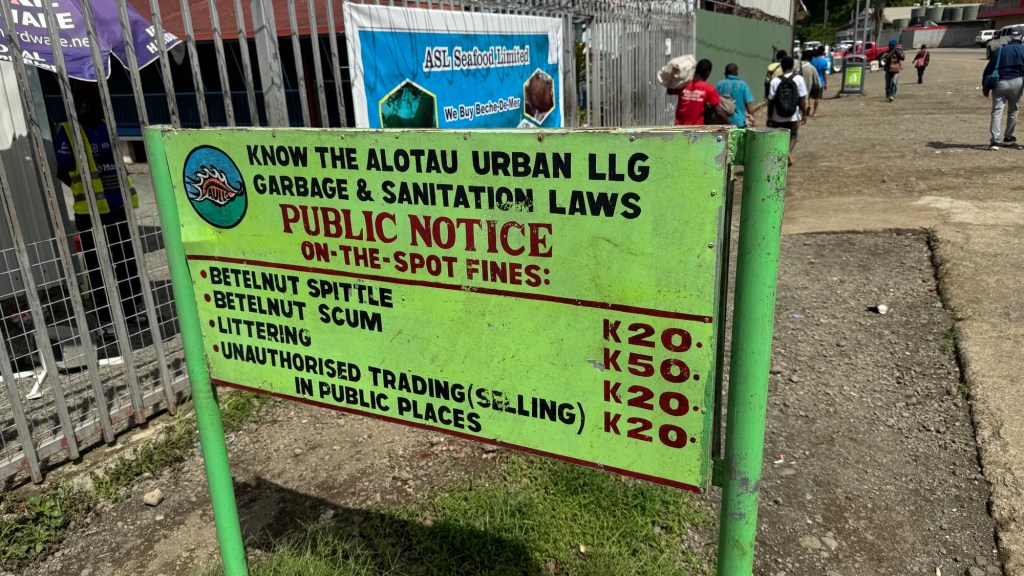
The streets are typical PNG style. Lots of broken pavements and rubbish. Noticeable are the “keep Alotau Clean bins” and the list of fines for chewing or spitting betelnut.
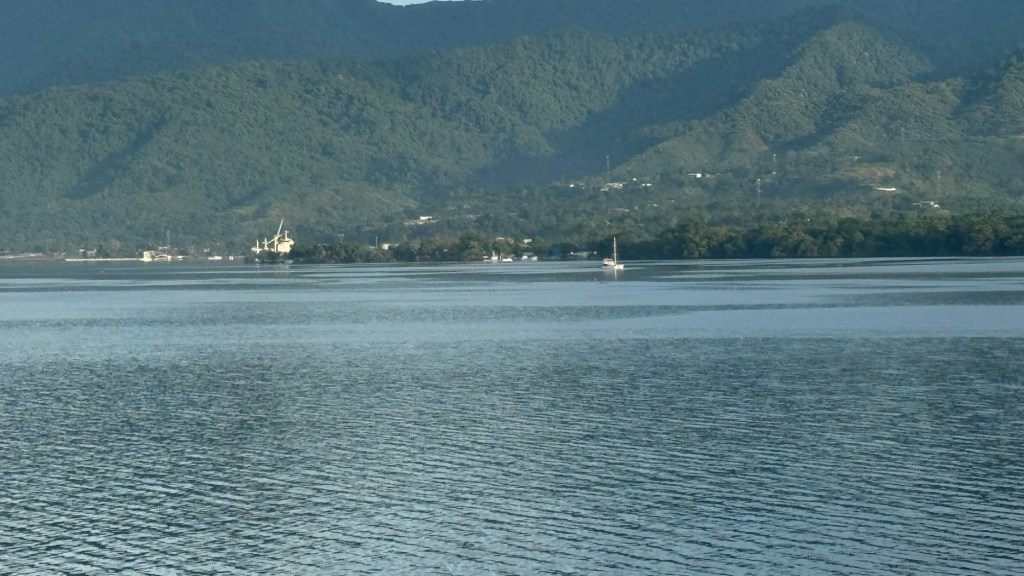
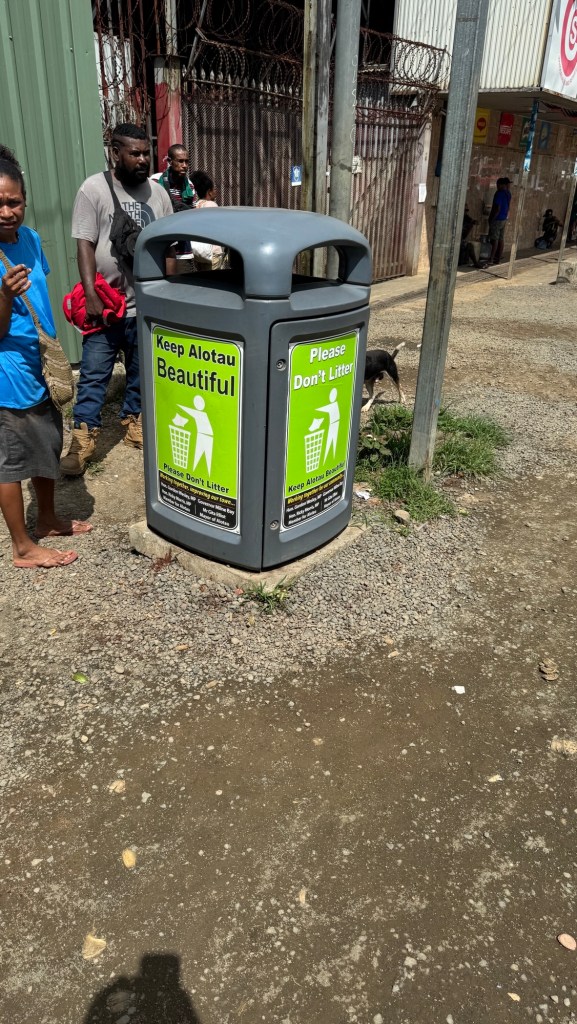
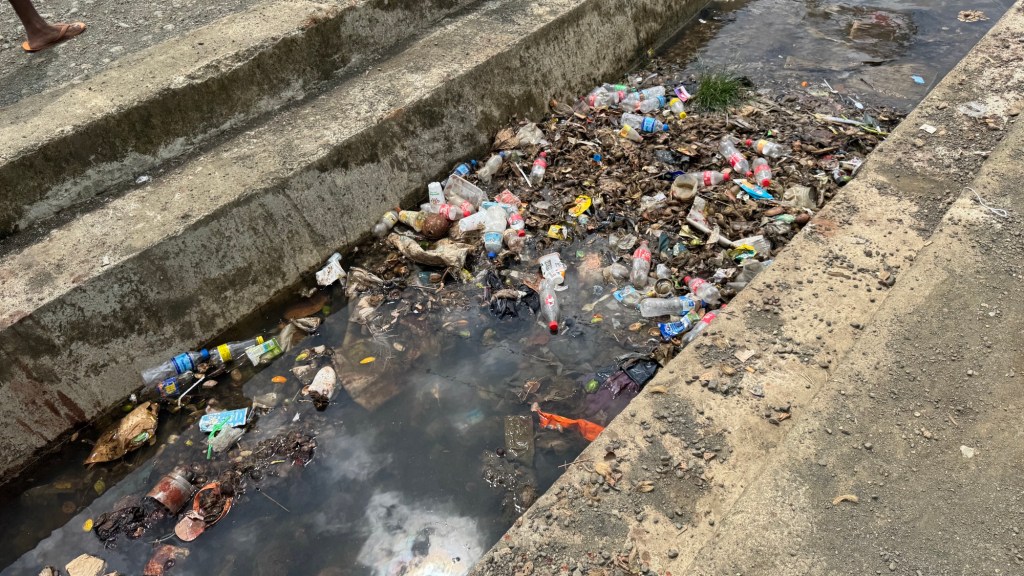
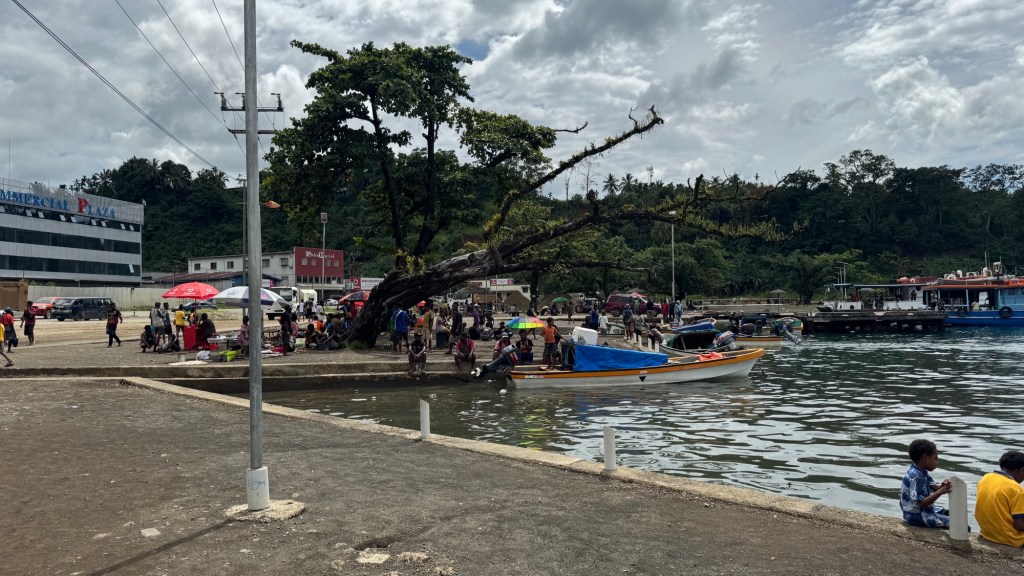
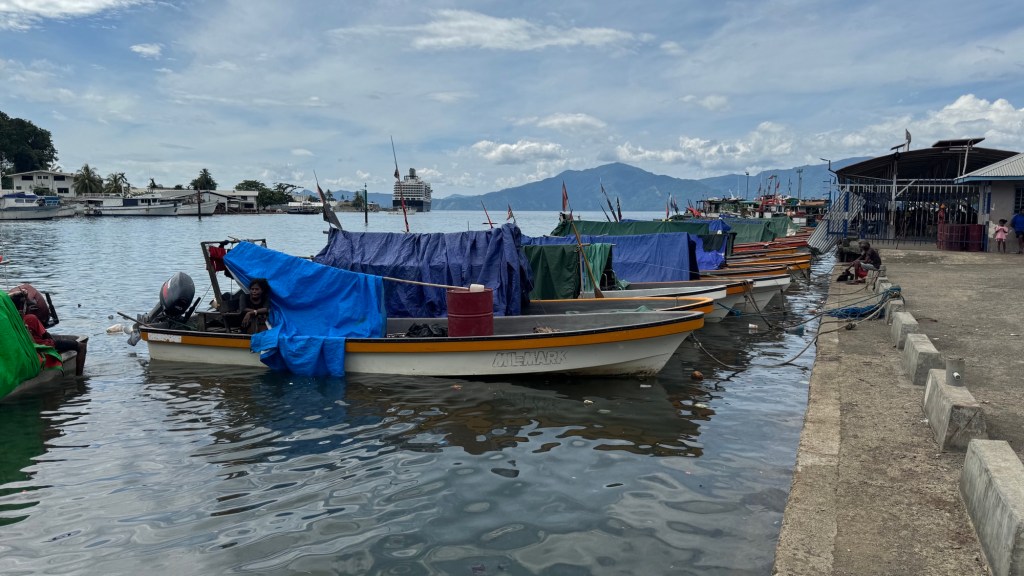
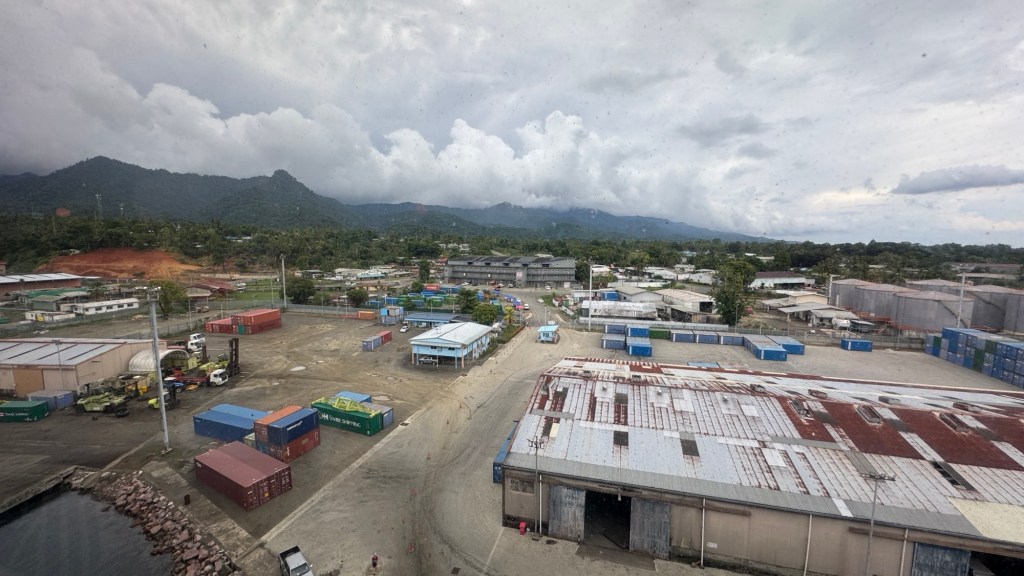
The places for eating are not too hygienic so we made our way back to Noordam for lunch, cool downs and an afternoon nap. Our departure for Kiriwini Islands is for 5:30pm.
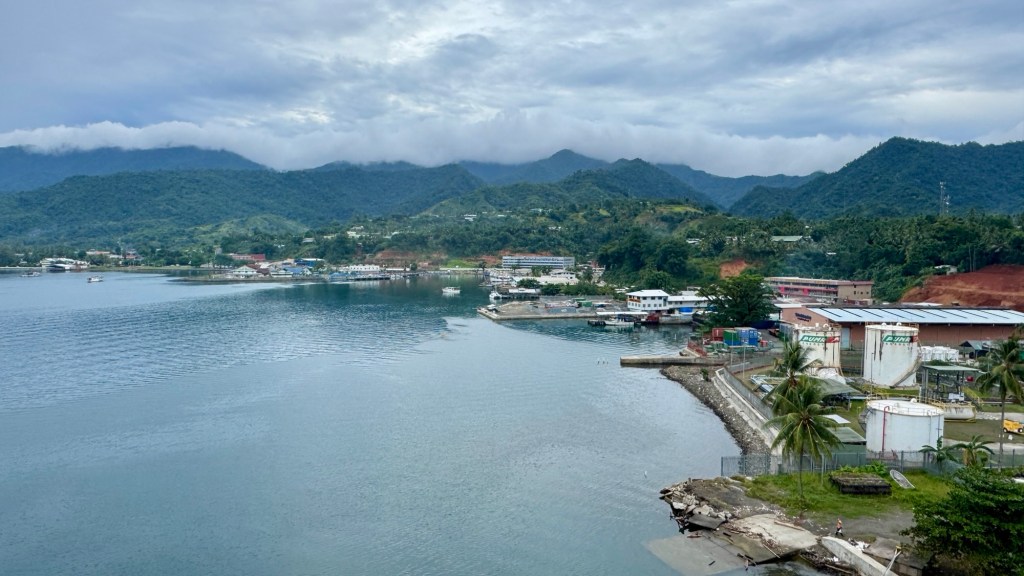
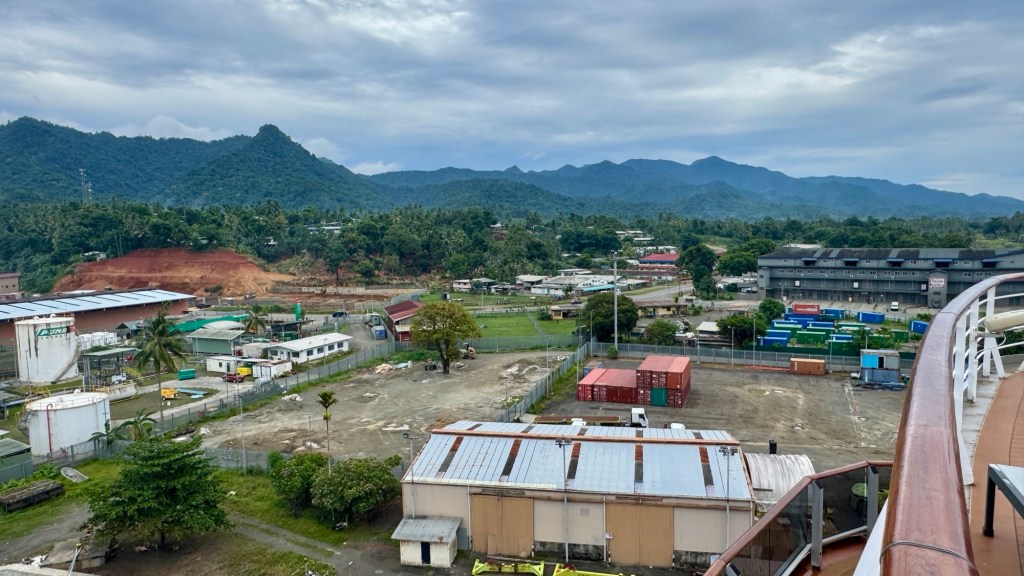
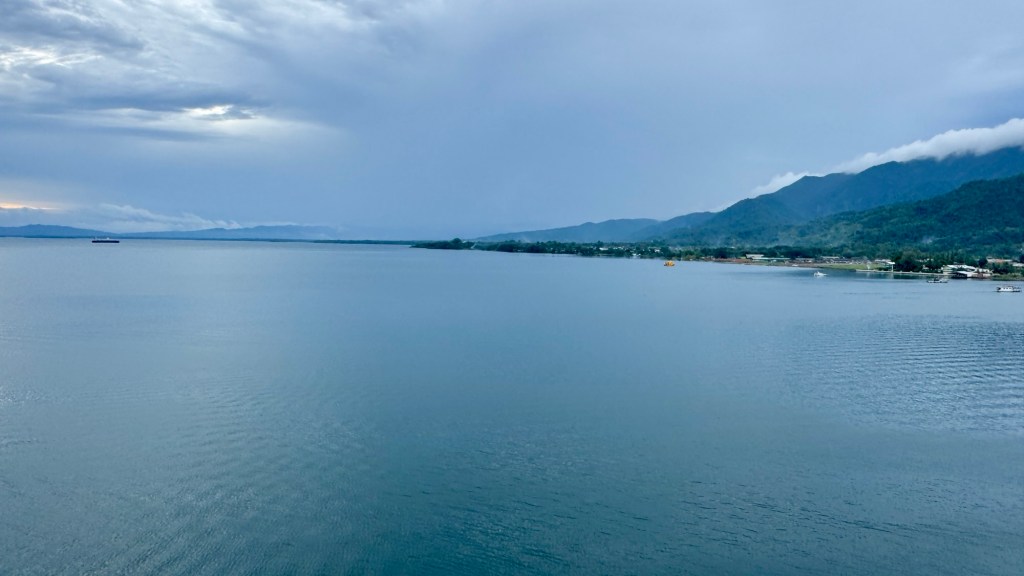
Alotau, Papua New Guinea
The sprawling town of Alotau, spectacularly located on Papua New Guinea’s southeastern tip, is an ideal introduction to the relaxed charms of the region. The capital of Milne Bay Province, Alotau is also the main port for the 600 islands that encompass the area.
The buzzing harbor, just a short walk from town, is a hive of activity, with ships, boats and canoes transporting passengers and plying their trades.The town was the site of the 1942 Battle of Milne Bay, resulting in Japan’s first defeat in the Pacific during World War II. Milne Bay was a major Allied base, and some of the war’s fiercest fighting took place in Papua New Guinea. Although there’s not much to see now, a fascinating Battle of Milne Bay tour combines historic war stories with locals’ tales of how modern warfare changed their world.
More broadly, Alotau is an excellent place to gain insight into Papua New Guinea’s cultures and traditions; don’t miss the Cultural Festival excursion in which you’ll see everything from warrior dances to gospel choirs to traditional drumming. For even more local flavor, wander through Alotau Market with its mounds of betel nuts, which many islanders chew.
 great life - retired got nothing on